
As a veterinarian at Petyaari Pet Clinic in Hyderabad, I often meet worried pet parents who ask, “Is my cat pregnant?” The excitement of new kittens can quickly turn to anxiety if you’re unsure what to look for or how to support your queen. With India’s warm climate and frequent heat cycles in unspayed cats, early detection makes all the difference. In this guide, I’ll show you the signs of cat pregnancy. We’ll cover each stage, home care tips, and when to get professional help.
Understanding Cat Heat Cycles and Pregnancy Timeline in Indian Conditions
Cats are polyestrous. This means they can go into heat every 14–21 days. In Hyderabad’s tropical weather, longer daylight hours keep this cycle active all year. Once mated, pregnancy lasts an average of 63–65 days, though it can range from 58 to 70 days. This short gestation lasts about 63 days and is split into three trimesters. Each trimester is roughly 21 days long. Changes are noticeable only after the third week.
Many pet parents in Telangana miss the early window because signs are subtle at first. Knowing the timeline helps you monitor your cat closely and avoid complications later. If your cat has stopped calling or showing heat signs after mating, watch for signs of pregnancy.
Early Signs of Cat Pregnancy (Weeks 1–3)
In the first three weeks, changes are mostly internal as embryos implant in the uterus. To the untrained eye, your cat may look normal. That’s why many owners in Hyderabad notice something is off around days 18 to 21.
Behavioural Changes in Early Pregnancy
Your cat may seem more affectionate or, on the other hand, a bit moody and withdrawn. Some queens seek extra lap time while others hide more than usual. Appetite can change. Some people eat a bit less at first because of mild nausea, but others may eat a little more.
These mood swings happen because of rising progesterone levels. At Petyaari Pet Clinic, I’ve seen many pet parents think this is normal behaviour. They often realise something is wrong when the next heat cycle doesn’t come.
Physical Signs: The Famous “Pinking Up”
Around day 15–21, the most reliable early sign appears—pinking up. Your cat’s nipples become enlarged, pinker, and more prominent against the fur. This is especially visible in light-coloured or short-haired cats common in Indian households.
You may also feel a very slight weight gain of 100–200 grams, but it’s often too early to notice on the weighing scale at home. Mild vomiting once or twice is normal, like morning sickness. However, if vomiting continues, it needs immediate attention.
Mid-Pregnancy Symptoms and Visible Changes (Weeks 4–6)
By week four, the pregnancy becomes much more obvious. The abdomen starts to round out, and your cat’s appetite usually surges as the kittens grow rapidly. Weight gain becomes noticeable—expect an overall increase of 1–2 kg by the end of this stage.
The nipples remain pink and may start producing a clear fluid called colostrum closer to week six. Your cat may appear calmer and sleep more, conserving energy for the growing litter. Many pet parents in Hyderabad often sense pregnancy during this time. They feel gentle movements by softly stroking the belly (but never press hard).
Mid-pregnancy is key. This is when you should visit the vet to confirm the pregnancy. Also, start adjusting care routines then.
Late-Pregnancy Indicators and Nesting Behaviour (Weeks 7–9)
In the final three weeks, your cat’s belly becomes noticeably large and pendulous. You can often see and feel the kittens moving, especially when she lies on her side. Appetite may decrease slightly in the last few days as space inside gets tight.
Nesting behaviour kicks in strongly—your queen will search for quiet, warm, dark corners to prepare a birthing spot. She may become restless, vocalise more, or groom her genital area frequently. Milk may leak from the nipples, and she might pant or breathe faster as labour approaches.
These late signs of cat pregnancy signal that delivery is only days away. Prepare a nesting box in a low-traffic area of your home now to make her feel secure.
How Vets Confirm Cat Pregnancy: Diagnosis at Petyaari Pet Clinic
Home observation is helpful, but professional confirmation removes all doubt. At our clinic in Hyderabad, we use gentle abdominal palpation from day 17–25 to feel the small marble-like swellings. Ultrasound from day 20 onwards gives a clear picture of foetal heartbeats and litter size without radiation.
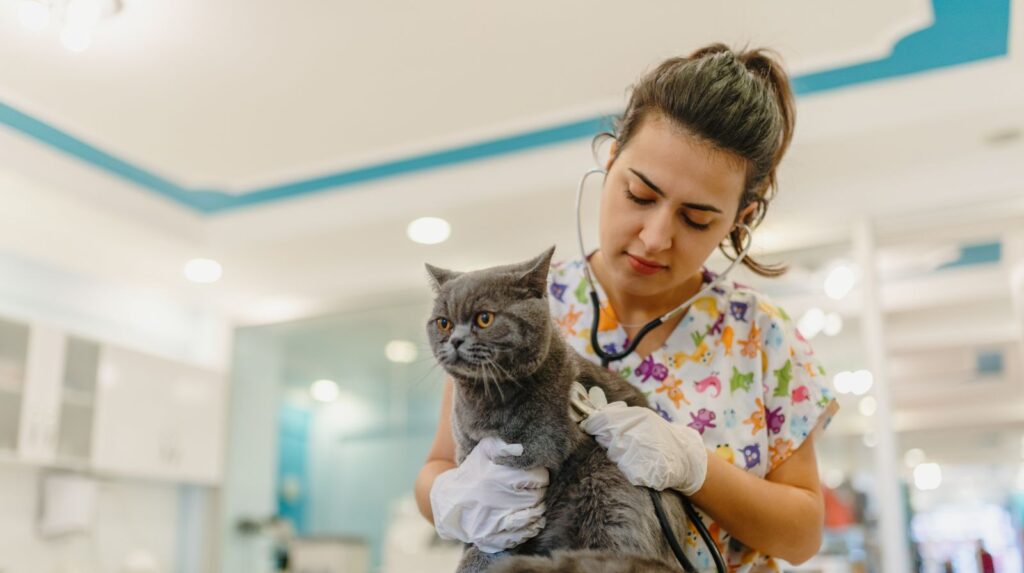
After day 45, an X-ray can accurately count the number of kittens by showing their skeletons. Blood tests can also measure relaxin hormone levels specific to pregnancy. These diagnostics are quick, affordable, and available at Petyaari Pet Clinic locations across Vanasthalipuram, Kharmanghat, and BN Reddy Nagar. Book your veterinary appointment here for precise confirmation.
If you prefer convenience, we also offer online veterinary consultation for initial assessment before an in-clinic visit.
Essential Care for Your Pregnant Cat: Nutrition and Environment
Proper care during pregnancy prevents many complications. Switch to a high-calorie kitten or pregnancy-specific commercial food from week four onwards. Brands like Royal Canin Mother & Babycat are easy to find in Hyderabad. These premium options offer the extra protein, calcium, and calories your cat requires.
Divide meals into four to five small portions daily to avoid stomach overload. Always keep fresh water available. In Hyderabad’s hot and humid weather, keep a room cool and well-ventilated. Fans or air conditioning can help stop overheating.
Creating a Safe Nesting Area
Provide a large cardboard box lined with soft, washable blankets or old towels in a quiet corner. Keep it away from children, other pets, and high-traffic zones. Place it at floor level so she can easily enter and exit.
Many pet parents at our clinic ask about homemade diets. Rice, boiled chicken, and curd can help, but they shouldn’t replace balanced commercial food during pregnancy.
Gentle Exercise and Handling
Light play with wand toys keeps muscle tone without stress. Avoid picking her up by the belly—support the chest and hindquarters instead. Regular gentle brushing reduces hairballs that could cause issues later.
For complete health support, make sure she’s current on vaccinations before pregnancy. Also, talk to your vet about safe deworming. Check our pet vaccination services page for details.
Preparing for Kitten Birth: Understanding Labour Stages
Labour usually begins with the first stage—restlessness, nesting, and mild contractions lasting 6–12 hours. The second stage brings strong contractions and the birth of each kitten every 15–60 minutes. Each kitten arrives in its amniotic sac, followed by the placenta in the third stage.
Most queens deliver without help, but stay nearby and monitor from a distance. If more than two hours pass between kittens or if she strains without progress, contact us immediately. We offer pet diagnostics in Hyderabad and doorstep services when needed.
Common Complications and Red Flags to Watch For
Most pregnancies go well, but be alert for warning signs:
- Heavy bleeding before labour
- Foul-smelling discharge
- Prolonged straining without a kitten
- Sudden lethargy
- Refusal to eat for over 24 hours
Eclampsia (milk fever) can occur after birth due to low calcium—symptoms include muscle tremors or seizures.
In Hyderabad, areas with many strays see more parasitic infections. So, it’s important to deworm pets quickly with help from a vet. Our team at Petyaari Pet Clinic has handled hundreds of such cases successfully.
Post-Pregnancy Care for Mother and Kittens
After delivery, the queen needs extra calories—up to three times normal intake while nursing. Provide a quiet space for the first two weeks. Kittens should nurse every 2–3 hours and gain weight daily. Monitor for signs of infection in the mother, such as fever or swollen mammary glands.

At around six weeks, start thinking about weaning and the importance of early socialisation. Our clinic provides complete post-natal check-ups and advice on kitten vaccinations.
Preventing Unwanted Pregnancies: The Importance of Spaying
The best way to avoid repeated pregnancies and associated health risks is spaying. It eliminates the chance of pyometra, reduces mammary tumour risk, and stops the stress of frequent heat cycles. We perform safe spaying procedures with excellent post-care support.
Learn more about the procedure in our dedicated guide: Spaying Female Cats in Hyderabad – Procedure and Post Care or the comprehensive Ultimate Guide to Spaying and Neutering from a Hyderabad Vet’s Perspective.
Early spaying before the first heat (around 4–6 months) is ideal and can be discussed during any routine visit.
Recognising the signs of cat pregnancy early empowers you to provide the right care and make informed decisions for your cat’s health. Whether it’s your cat’s first litter or you want to stop the next one, timely vet advice helps keep both the mother and kittens safe and happy. If you see any changes or just need reassurance, contact us at Petyaari Pet Clinic. We’re here to help Hyderabad’s pet families every step of the way. Book your appointment today and let’s keep your feline family thriving.
