
Emergency assessment
The veterinarian takes history, checks temperature, gums, hydration, abdominal pain and signs of shock or sepsis.
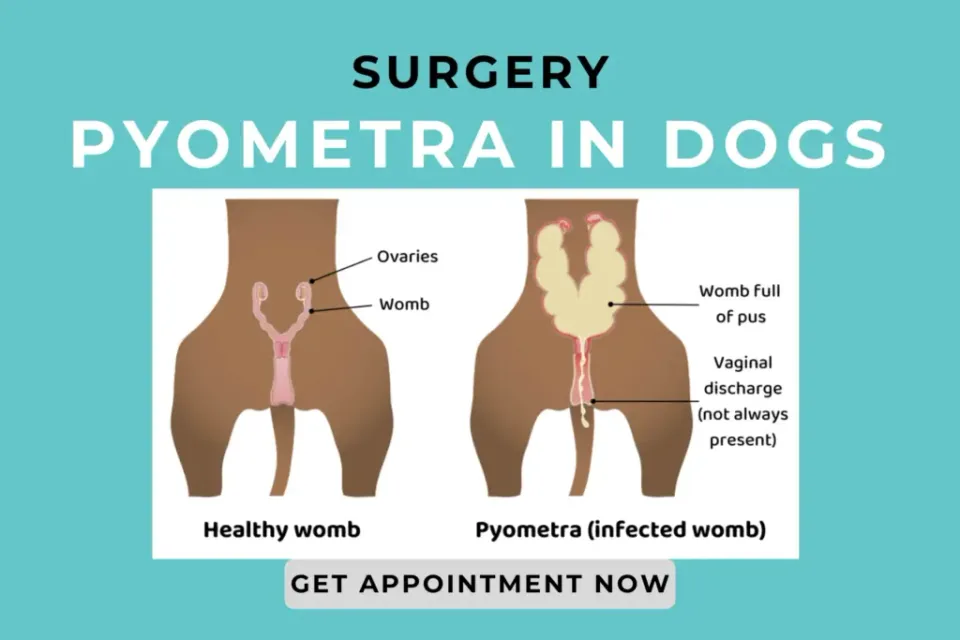
Learn pyometra warning signs, urgent diagnosis, emergency surgery, hospital monitoring and recovery care at PetYaari Hyderabad.
Pyometra surgery
Pyometra can progress quickly in unspayed female dogs. PetYaari uses this guide to help pet parents understand warning signs, urgent diagnostic steps, emergency ovariohysterectomy, hospital monitoring and recovery support after surgery.
Emergency care for unspayed female dogs
Diagnosis with exam, blood work and imaging
Surgical treatment and monitored recovery
Urgent warning
Pyometra can become life-threatening quickly. If an unspayed female dog is lethargic, vomiting, refusing food, drinking more water, swollen in the abdomen or has vaginal discharge, call PetYaari before travelling so the clinic can guide the nearest available branch.
Procedure
The usual treatment for pyometra is emergency ovariohysterectomy, which removes the infected uterus and ovaries. This is not a routine spay; the patient may be dehydrated, septic or medically unstable, so pre-surgical stabilisation and monitoring matter.
Prompt surgery can be life-saving. Delaying treatment increases the risk of sepsis, uterine rupture and organ complications.
The veterinarian takes history, checks temperature, gums, hydration, abdominal pain and signs of shock or sepsis.
Blood tests, ultrasound or X-rays may be used. IV fluids and broad-spectrum antibiotics are started when needed to support the patient before surgery.
The surgeon carefully removes the infected, fragile uterus and ovaries, controls blood vessels and closes the abdomen in layers.
After surgery, the dog is monitored for appetite, temperature, pain, hydration, incision health and response to antibiotics.
Surgery planning
Pyometra can deteriorate rapidly, especially with a closed cervix where pus is trapped inside the uterus. If an unspayed female dog is lethargic, drinking more water, vomiting, refusing food, swollen in the abdomen or has vaginal discharge, call the clinic immediately before travelling.
Before surgery
Recovery care
Pyometra guide
When to seek emergency care
Pus can drain from the uterus, so pet parents may notice smelly, bloody, yellow or green vaginal discharge.
When to seek emergency care
This is more dangerous because pus is trapped inside the uterus. Dogs can become severely sick without visible discharge.
When to seek emergency care
Watch for lethargy, appetite loss, increased thirst or urination, vomiting, diarrhoea, fever, pale gums or a swollen abdomen.
When to seek emergency care
Bacteria and toxins can enter the bloodstream and cause sepsis, shock and organ complications if treatment is delayed.
How pyometra is diagnosed
The vet asks about heat-cycle timing, discharge, thirst, vomiting, appetite and general activity, then checks for fever, pain and shock signs.
How pyometra is diagnosed
Imaging can show an enlarged, fluid-filled uterus and helps distinguish pyometra from pregnancy or other abdominal conditions.
How pyometra is diagnosed
CBC and chemistry panels assess infection severity, white blood cell changes, kidney stress, inflammation and anaesthesia risk.
How pyometra is diagnosed
Similar symptoms can occur with pregnancy, uterine tumours, urinary infections or other abdominal illness, so confirmation matters.
Treatment choices
Emergency ovariohysterectomy removes the infected uterus and ovaries, taking away both the infection source and hormonal driver.
Treatment choices
Hormonal and antibiotic protocols are rarely preferred and are usually only considered for selected breeding dogs with open-cervix cases.
Treatment choices
IV fluids, antibiotics and careful anaesthesia planning help reduce risk for sick or septic patients.
Treatment choices
Routine spaying removes the uterus and is the only reliable prevention; this is why planned spaying is discussed before pyometra develops.
Recovery after surgery
Dogs may need 24 to 48 hours or more of monitoring with fluids, antibiotics, pain relief and repeated checks after surgery.
Recovery after surgery
Complete all antibiotics and pain medicines as prescribed, even if your dog appears better after a few days.
Recovery after surgery
Check the incision daily for redness, swelling, discharge or licking. Use an e-collar unless the vet advises otherwise.
Recovery after surgery
Restrict running, jumping and rough play for 10 to 14 days. Keep walks short and only for bathroom breaks until cleared.
Reviews
Excellent
Google Rating
Based on 624 reviews
Reviewed Mar 2026
BN Reddy Nagar
Great experience at Pet Yaari Clinic. Dr. Sajeed performed my cat’s surgery and handled everything very professionally. He explained the procedure clearly and guided well through the recovery process. Highly recommend this clinic for anyone looking for a trustworthy vet.
Reviewed May 2026
Kharmanghat
They provided proper medication for pet jack,as our pet suffered from tick fever and now he is doing fine and healthy.best recommend clinic.
Reviewed May 2026
Vanasthalipuram
Excellent service for my Sheru by petyaari staff, Recommend clinic for our loved pets.
Reviewed Mar 2026
BN Reddy Nagar
Dr Sajid is very friendly and very professional and helped my German shepherd in maintaining its health ..definitely advise consultation
Reviewed May 2026
Kharmanghat
Best clinic for pets health and grooming services.
Reviewed May 2026
Vanasthalipuram
Excellent service. Highly recommended!
Reviewed Feb 2026
BN Reddy Nagar
Very patient and knowledgeable. Helped a lot in our pet turtles recover
Reviewed May 2026
Kharmanghat
Dr Sankeerthi provides us with valuable knowledge about diet and health for our loved paws.
FAQs
Yes. Pyometra can become life-threatening quickly, especially closed-cervix pyometra. Call before travelling so the clinic can guide the next step.
Warning signs include lethargy, vomiting, appetite loss, increased thirst, fever, swollen abdomen, vaginal discharge, weakness or collapse.
Diagnosis may include physical examination, heat-cycle history, blood work, ultrasound or X-ray depending on the dog’s condition.
Emergency ovariohysterectomy is commonly recommended because it removes the infected uterus and ovaries.
Routine spaying prevents pyometra by removing the uterus before this emergency can develop.
Related care
Consultations, treatment plans and routine care.
Explore veterinary servicesCore puppy, kitten, dog and cat vaccines.
View vaccination servicesBath, blow dry, trimming, nail clipping, ear cleaning and coat care.
View grooming servicesBlood tests, skin checks, tick fever screening and report review.
View diagnostic servicesClinics
Vivekananda Park Road, near Muthoot Finance, NGO Colony, Vanasthalipuram, Hyderabad, Telangana 500070
View clinicH 8-147, near Gayathri Nagar, Kharmanghat, Jillelaguda, near HDFC Bank and Union Bank, Meerpet, Hyderabad, Telangana 500079
View clinicRoad No 6, Chaitanya Nagar, Phase 2, B N Reddy Nagar, Hyderabad, Telangana 500079
View clinicPetYaari care team
Message PetYaari to confirm the right service, nearest branch and available appointment slot.