
Bringing a new puppy or kitten home is a thrilling moment for any family in Hyderabad. But it also brings many questions and responsibilities. As a first-time pet owner, you might feel overwhelmed by the sudden changes in your routine. Yet, with the right guidance, this journey can become one of the most rewarding experiences of your life. As Dr Mohd Sajeed, a Veterinarian at Petyaari Pet Clinic in Hyderabad, I have helped hundreds of new pet parents successfully navigate these early days.
One of the most important steps every new owner must take is understanding the puppy vaccination schedule. This simple timetable protects your furry friend from life-threatening illnesses right from the start. In my clinic, I often see preventable diseases because owners missed these crucial shots. Let’s walk through everything you need to know to keep your pet healthy, happy, and safe.
Puppy Vaccination Schedule: Your First Line of Defence
The puppy vaccination schedule usually begins at six to eight weeks of age. The first dose covers core diseases like distemper, parvovirus, and hepatitis. Follow-up boosters are given every 3 to 4 weeks until the puppy is 16 weeks old. After that, a rabies vaccine is administered between 12 and 16 weeks.
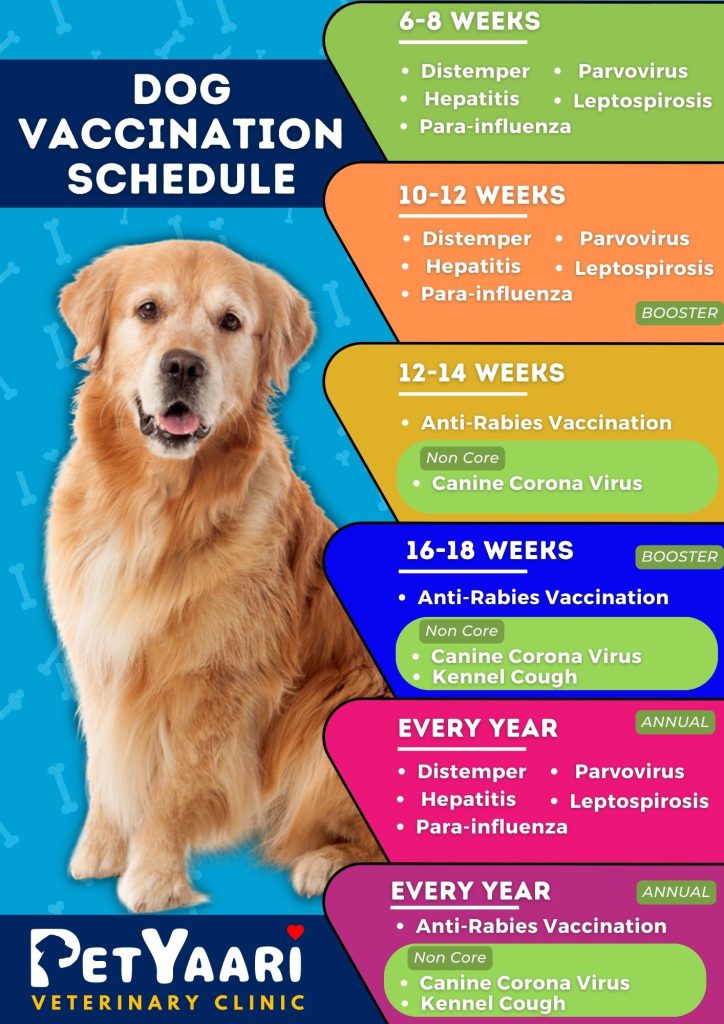
In Hyderabad’s warm climate, staying on schedule is even more critical because stray animals can spread infections easily. Annual boosters keep immunity strong throughout your dog’s life. Always carry your puppy’s vaccination card during visits to Petyaari Pet Clinic so we can track progress together.
Never delay vaccines, even if your puppy seems perfectly fine. Early protection saves lives and prevents expensive treatments later.
Deworming Tablets for Dogs: Why Every Puppy Needs Them
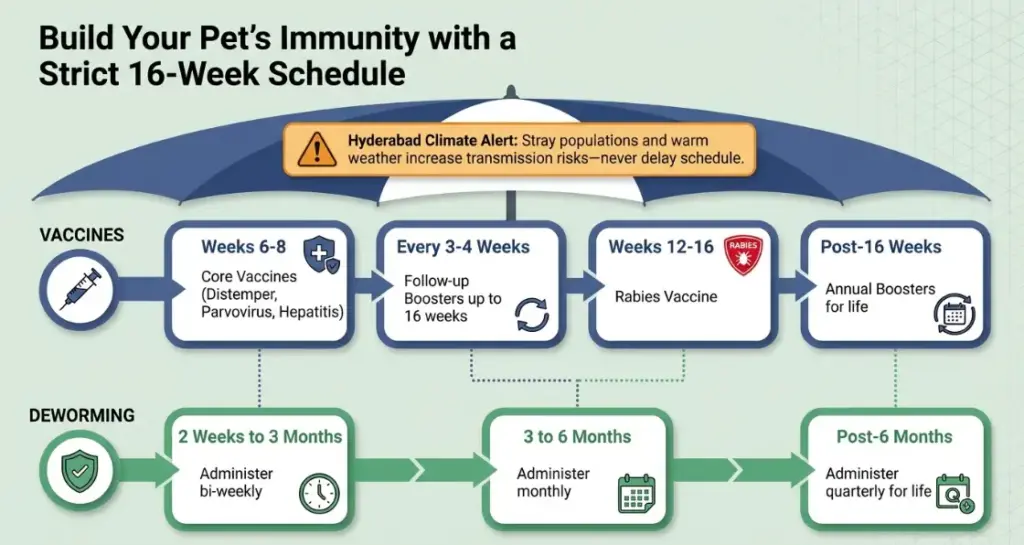
Deworming tablets for dogs should start as early as 2 weeks of age and continue every 2 weeks until 3 months. After that, give them monthly for six months, then once every three months for life. These tablets remove roundworms, hookworms, and tapeworms that puppies pick up from their mother or environment.
Regular deworming improves appetite, supports growth, and prevents worms from passing to children in the family. At Petyaari Pet Clinic, I recommend broad-spectrum deworming tablets that are safe and easy to give with food.
Watch for signs like a pot-bellied look, vomiting, or diarrhoea after deworming – these are normal as worms are expelled. If symptoms persist beyond 48 hours, bring your pet in immediately.
Deworming Medicine for Cats: Essential for Indoor and Outdoor Cats
Deworming medicine for cats follows a similar schedule to dogs – every two weeks until three months, then quarterly. Tablets or syrups target roundworms, tapeworms, and hookworms that cats pick up while grooming or hunting.
Even indoor cats need regular deworming medicine for cats because owners can bring eggs inside on their shoes. Choose palatable formulations that are easy to administer without stress.
At Petyaari Pet Clinic, we advise pairing deworming with flea control because fleas transmit tapeworms. Healthy cats show shiny coats and steady weight gain after proper deworming.
Tick Treatment for Dogs: Protecting Against Parasites Year-Round
Tick treatment for dogs should be done every month using vet-approved spot-on liquids, chewable tablets, or collars. These products kill ticks within 24-48 hours and prevent attachment.
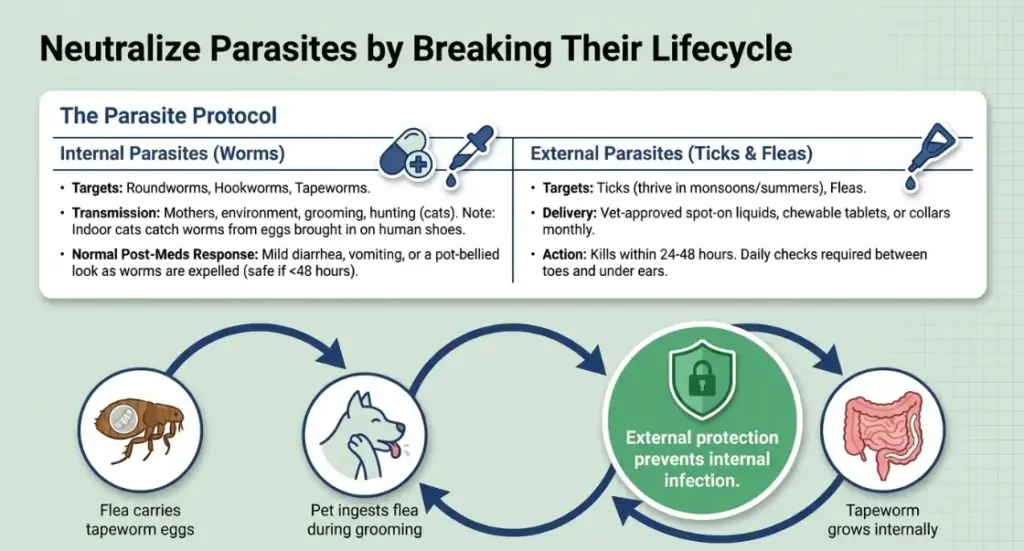
In Hyderabad’s parks and residential areas, ticks thrive during the monsoon and summer. Check your dog daily, especially between the toes and under the ears, and remove any ticks with tweezers.
Using tick treatment along with regular deworming tablets for dogs helps break the parasite life cycle. This keeps your pet comfortable and free from disease.
How to Check Dog Temperature at Home Safely
Normal dog temperature ranges between 101°F and 102.5°F. To check a dog’s temperature, use a digital rectal thermometer lubricated with petroleum jelly. Hold your dog gently, insert the thermometer one inch, and wait for the beep.
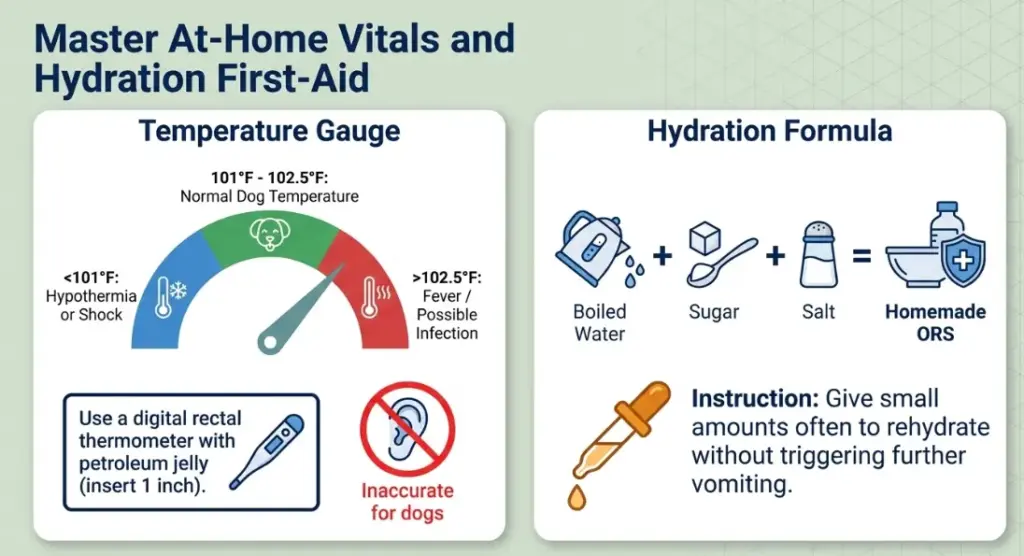
A temperature above 102.5°F indicates fever and possible infection, while a temperature below 101°F suggests hypothermia or shock. Never use a human ear thermometer, as it gives inaccurate readings in dogs.
If your dog’s temperature is abnormal, note other symptoms like lethargy or refusal to eat and contact your vet straight away. Quick action often makes the difference between a minor illness and a serious emergency.
Recognising Distemper in Dogs Before It’s Too Late
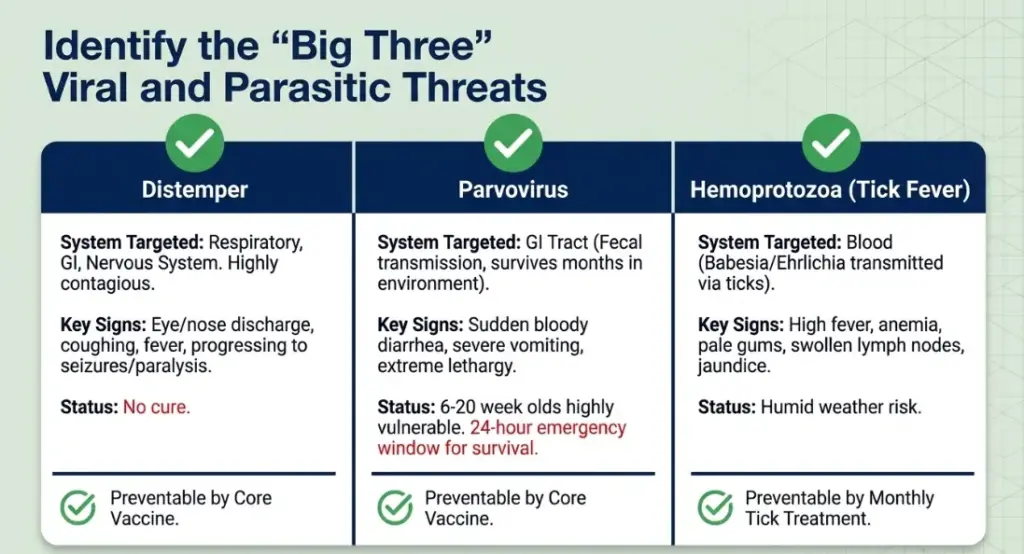
Distemper is a highly contagious viral disease that attacks the respiratory, gastrointestinal, and nervous systems. Early signs include fever, eye and nose discharge, coughing, and vomiting. Later stages may cause seizures or paralysis.
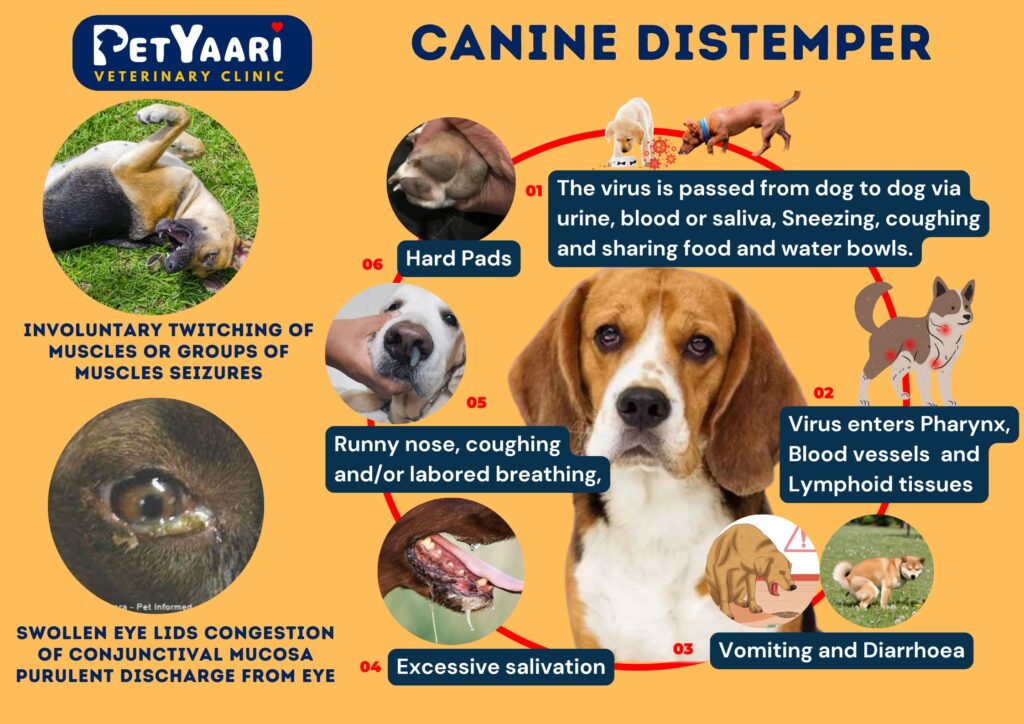
In my years at Petyaari Pet Clinic, I have treated many cases where timely vaccination could have prevented suffering. There is no specific cure, so supportive care with fluids and antibiotics for secondary infections is the only option.
Prevention through the puppy vaccination schedule remains the best protection. Keep unvaccinated puppies away from parks and other dogs until fully immunised.
Parvovirus Symptoms in Dogs: Act Fast to Save Your Pup
Parvovirus symptoms in dogs appear suddenly and include severe vomiting, bloody diarrhoea, extreme lethargy, and loss of appetite. Puppies aged six to twenty weeks are very vulnerable, especially if they aren’t fully vaccinated yet.
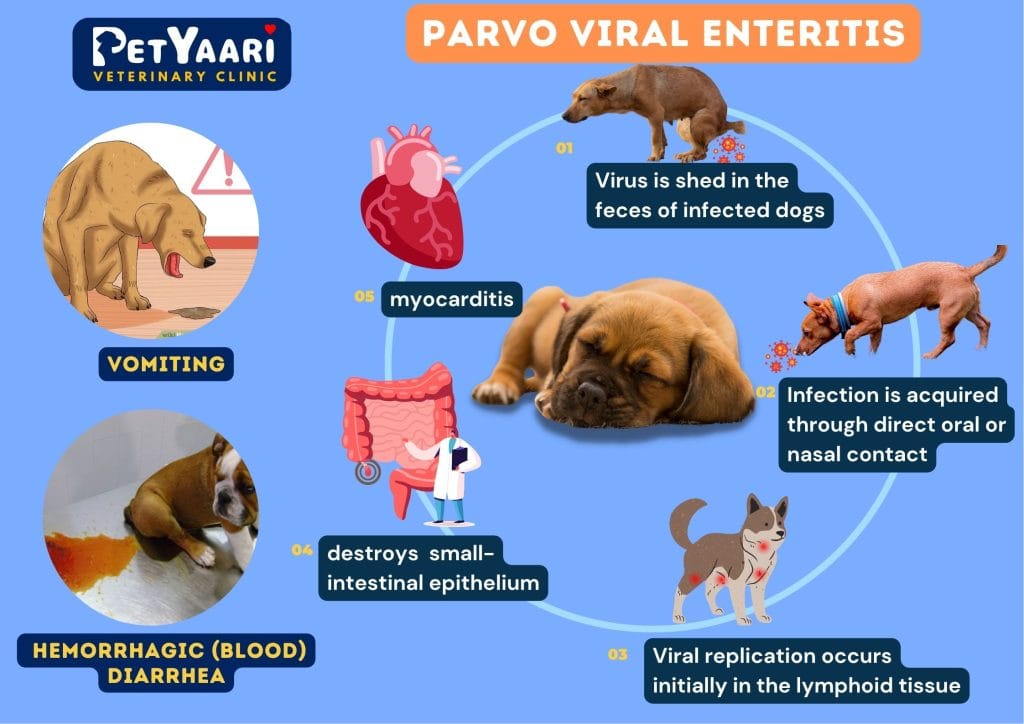
The virus spreads through contaminated faeces and can survive in the environment for months. At Petyaari Pet Clinic, we see improved survival rates when owners bring pups in within 24 hours of symptoms.
Treatment involves hospitalisation with intravenous fluids and anti-nausea medicines. Vaccination is the best way to prevent disease, so stick to the puppy vaccination schedule.
Hemoprotozoa in Dogs: The Hidden Threat from Ticks
Hemoprotozoa in dogs, such as Babesia and Ehrlichia, are blood parasites transmitted by ticks. Symptoms include high fever, anaemia, pale gums, and swollen lymph nodes. In severe cases, dogs may show jaundice or breathing difficulty.
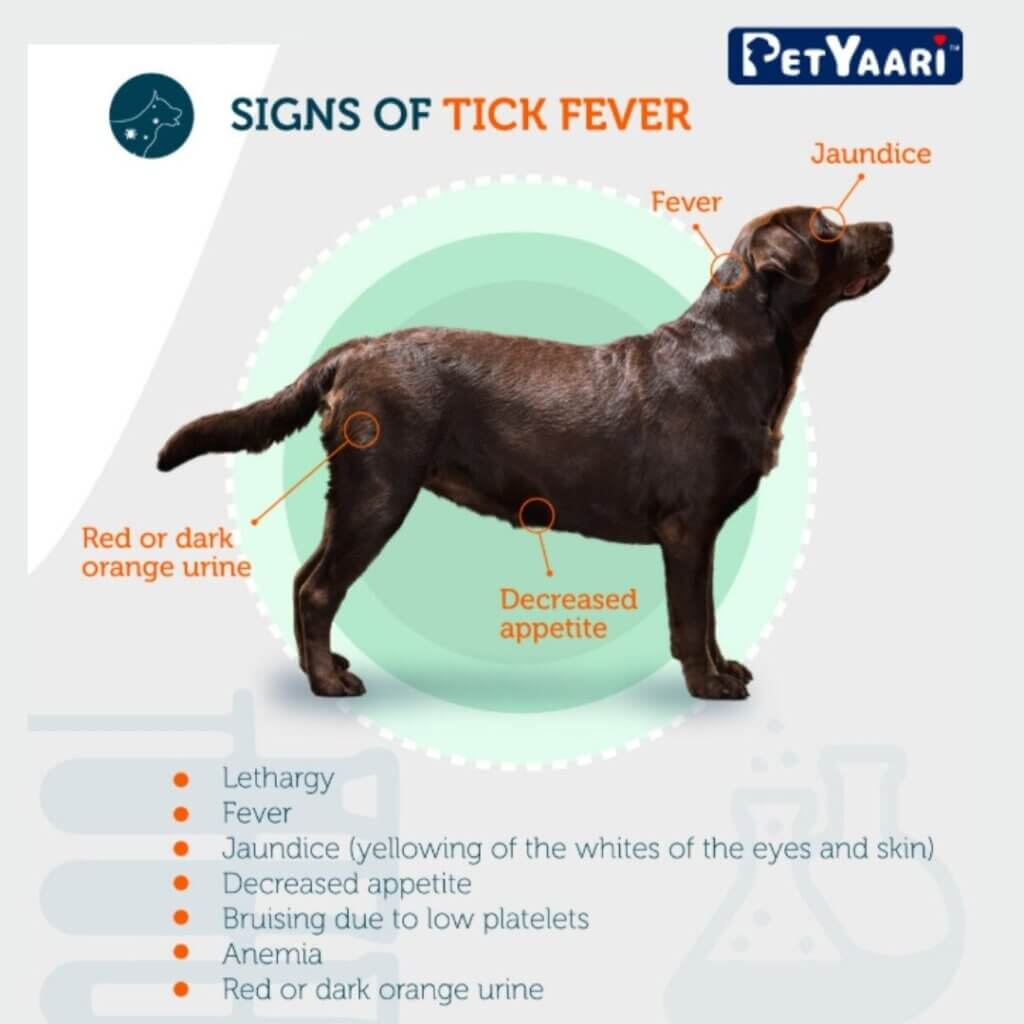
These infections are common in Hyderabad because of the humid weather that favours ticks. Early blood tests at the clinic can confirm the diagnosis and allow prompt treatment with specific anti-protozoal drugs.
Regular tick treatment for dogs combined with monthly preventives keeps these parasites away. Never ignore an unexplained fever in your pet.
Dog Loose Motion Medicine: Safe Options and When to Use
When your dog has loose motion, the first step is to identify the cause. Mild cases can be managed with dog loose motion medicine like metronidazole or probiotics prescribed by your vet. Always avoid human antidiarrhoeal tablets unless advised.
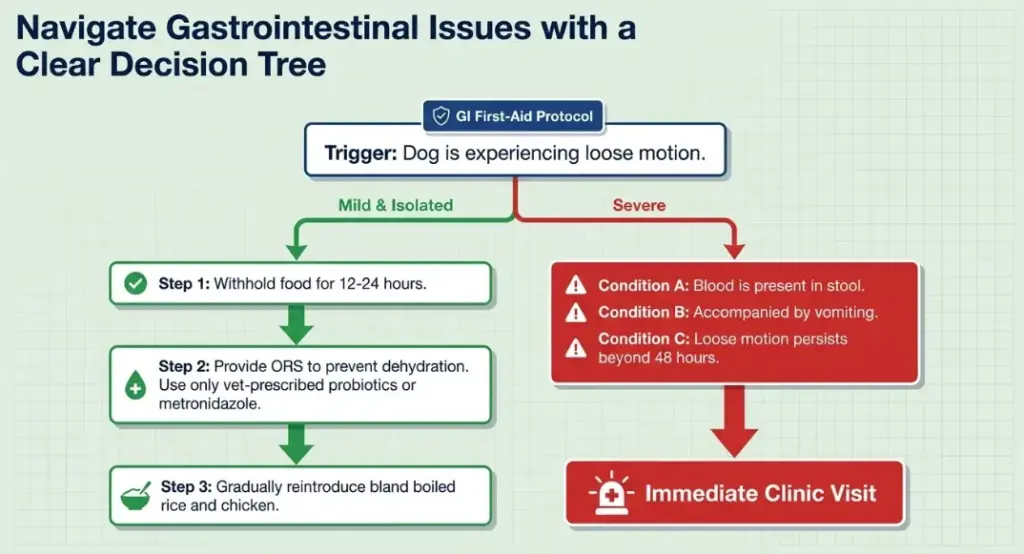
Withhold food for 12-24 hours, but provide plenty of water or ORS for dogs to prevent dehydration. Gradually reintroduce bland rice and boiled chicken once motions improve.
Persistent loose motion with blood or vomiting requires immediate veterinary attention. At Petyaari Pet Clinic, we often combine medicines with dietary correction for faster recovery.
Can We Give Paracetamol to Dogs? Important Safety Advice
Can we give paracetamol to dogs? The short answer is no. Paracetamol, also known as acetaminophen, can cause severe liver damage and blood disorders in dogs, even in small doses.
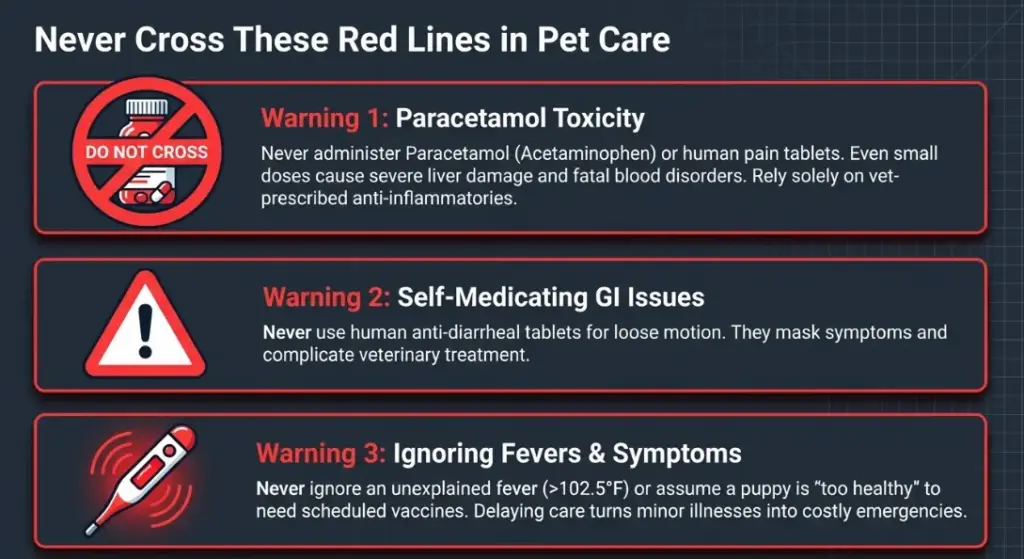
Many well-meaning owners reach for human medicines when their pet looks unwell, but this practice is dangerous. Instead, always consult your vet for safe pain relief options like prescribed anti-inflammatory drugs.
At Petyaari Pet Clinic, we see avoidable cases of toxicity every month. Stick to veterinary medicines and never self-medicate your dog with paracetamol or any human tablet.
ORS for Dogs: Rehydrating Your Pet During Illness
ORS for dogs is a lifesaver during episodes of vomiting or loose motion. You can use commercially available pet electrolyte solutions. Or make a simple homemade version with boiled water, sugar, and salt in the right proportions.
Give small amounts often instead of large amounts at once. This helps prevent more vomiting. ORS for dogs restores lost fluids and minerals faster than plain water.
Combine ORS for dogs with vet-prescribed dog loose motion medicine for best results. If your pet refuses to drink, intravenous fluids at the clinic become necessary.
Liver Problems in Dogs: Early Warning Signs and Management
Liver problems in dogs often show as loss of appetite, vomiting, weight loss, and increased thirst. In advanced stages, you may notice jaundice or behavioural changes.
Common causes include toxins, infections, or congenital defects. Blood tests and an ultrasound at Petyaari Pet Clinic help pinpoint the exact issue.
Managing diet early with low-fat, high-quality liver-supportive food and supplements can slow disease progression. It can also improve the quality of life.
Dog Drooling Too Much: Common Causes and Quick Checks
Dog drooling too much can signal dental pain, nausea, heatstroke, or even poisoning. Some breeds naturally drool more, but sudden excessive drooling warrants attention.
Check for foreign objects in the mouth, swollen gums, or bad breath. If accompanied by vomiting or lethargy, it could indicate serious issues like liver problems in dogs or distemper.
At the clinic, we perform a thorough oral examination and may recommend dental cleaning or further tests. Prompt action prevents complications.
Jaundice in Dogs Treatment: Steps Every Owner Must Know
Jaundice in dogs treatment begins with identifying the underlying cause through blood tests and an ultrasound. Supportive care includes fluids, liver protectants, and antibiotics if infection is present. Jaundice is mostly seen in food poisoning, tick fever, and stones in the gall bladder.
Home management involves a bland diet and complete rest. Avoid fatty foods that burden the liver further.
Many dogs recover well when jaundice in dogs treatment starts early. Regular follow-ups at Petyaari Pet Clinic ensure the liver enzymes return to normal.
Nasal Discharge in Dogs: When to Seek Veterinary Help
Nasal discharge in dogs that is clear and watery may indicate allergies, while thick yellow or green discharge suggests bacterial infection. Bloody discharge needs immediate attention.
Accompanying sneezing, coughing, or loss of appetite points to respiratory infections or even distemper. Keep your dog away from smoke and strong fragrances.
At Petyaari Pet Clinic, we use nasal swabs and X-rays when required to diagnose the exact reason. Early treatment prevents spread to the lungs.
Urinary Tract Infection in Cats: Spot the Signs Early
Urinary tract infection in cats, especially males, can become life-threatening if it leads to blockage. Look for frequent litter box visits, straining, crying while urinating, or blood in urine.
Indoor cats on dry food diets are more prone. Increase water intake by adding wet food or fountains. Antibiotics and pain relief form the core of treatment.
Recurring urinary tract infection in cats requires a diet change and sometimes surgery. Regular check-ups help catch problems before they worsen.
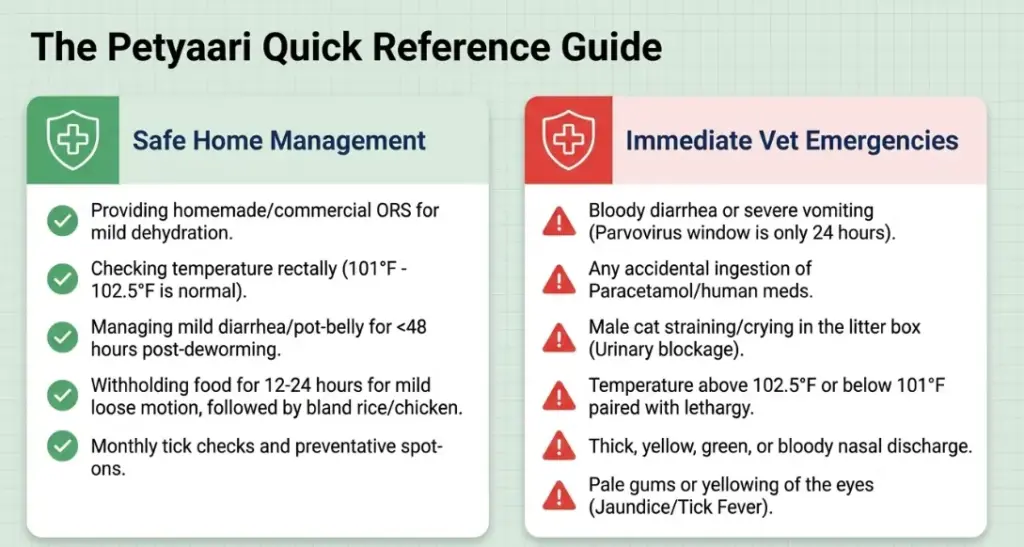
Owning a pet is a long-term commitment that brings immense joy when you stay informed and proactive. Following the puppy vaccination schedule, using the right deworming tablets for dogs, and deworming medicine for cats helps your pet thrive. Also, watch for early signs like parvovirus symptoms or nasal discharge in dogs to ensure their well-being. Keep a close watch on everyday changes such as dog temperature, dog drooling too much, or sudden loose motions, and never hesitate to reach out to your vet. At Petyaari Pet Clinic in Hyderabad, we are always ready to support you and your furry family member with personalised care. Schedule regular health checks, maintain hygiene, and enjoy every moment with your pet – the rewards will last a lifetime.
