
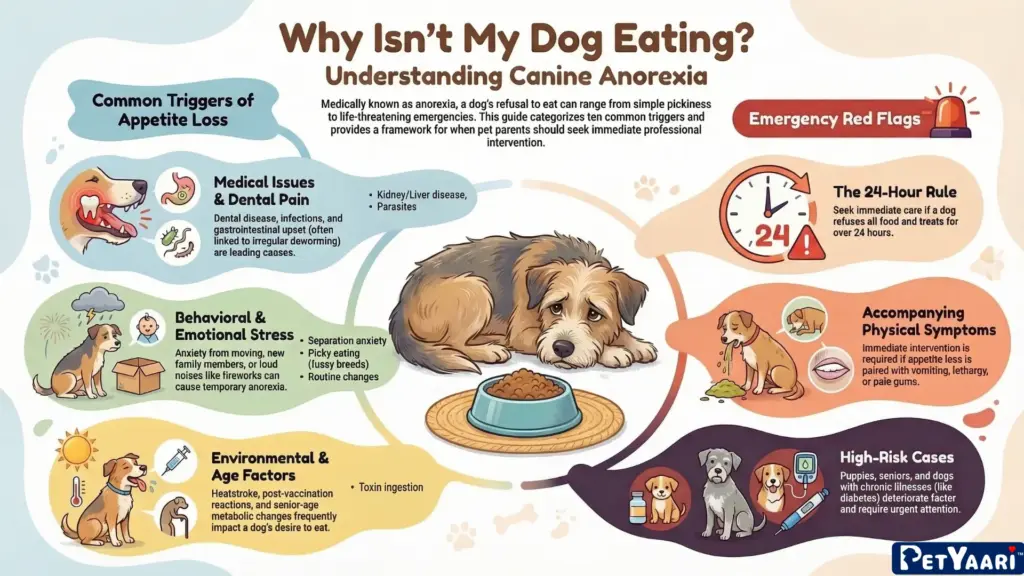
At Petyaari, we see worried pet parents every day with a concern, ‘Dog Not Eating’. That’s why we’ve created this guide to walk you through the ten most common reasons. This sudden loss of appetite is known medically as anorexia in dogs. A dog not eating is because of issues ranging from simple pickiness to serious underlying health conditions. Understanding the potential causes is the first crucial step in helping your dog get back to their healthy, happy selves. This guide covers ten common reasons your dog may not eat. It also gives clear advice on what to do next.
Table of Contents
Why is My Dog Refusing Food? Exploring the Possibilities
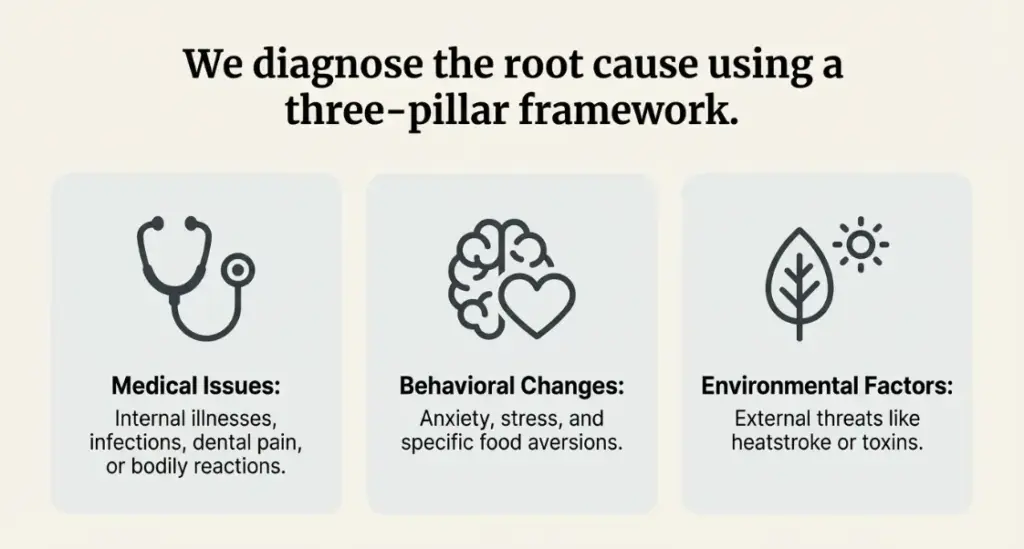
When your dog stops eating, it’s natural to feel anxiety. Before worrying about worst-case scenarios, consider what might be causing their low appetite. After observing several anorexia cases at our clinics, we categorise them into three main groups: medical issues, behavioural changes, and environmental factors.
1. Dental Problems: The Hidden Pain
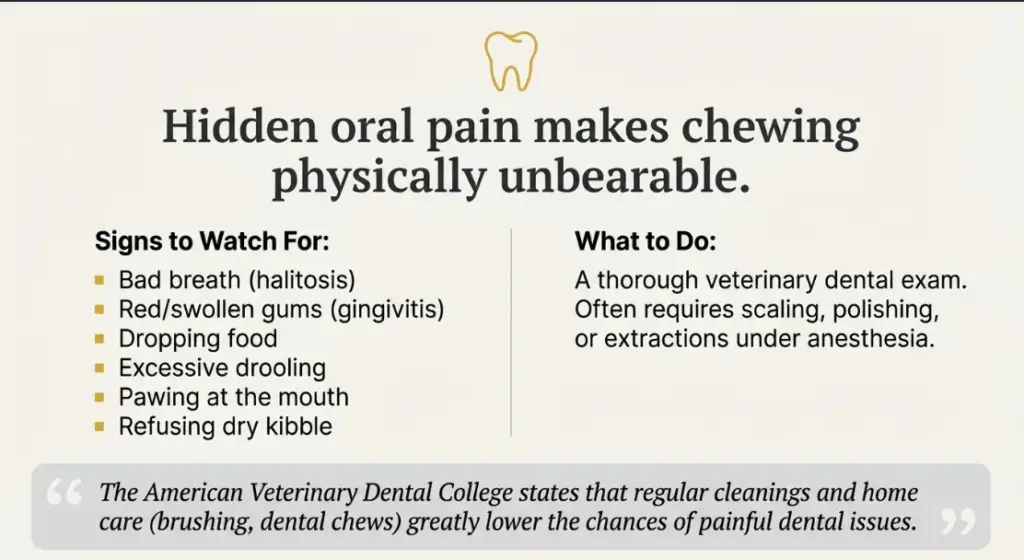
We found that one of the most frequent reasons for a dog’s reluctance to eat is dental disease. Pain in the mouth can make chewing incredibly uncomfortable. This can manifest as refusing dry kibble, preferring softer foods, or even dropping food from their mouth while eating.
- Signs to Watch For:
- Bad breath (halitosis)
- Red or swollen gums (gingivitis)
- Tartar buildup on teeth
- Broken teeth
- Difficulty picking up food
- Excessive drooling
- Pawing at the mouth
- What to Do: A thorough veterinary dental examination is essential. If dental disease is diagnosed, we recommend a professional cleaning under anaesthesia. This process includes scaling and polishing. It may also require tooth extractions if the teeth are badly damaged or infected. At petyaari, after every treatment, we recommend regular at-home dental care. Brush your dog’s teeth with dog-specific toothpaste and give them dental chews or toys. The American Veterinary Dental College states that regular cleanings and home care can significantly reduce the risk of painful dental issues [2].
2. Gastrointestinal Upset: More Than Just a Tummy Ache
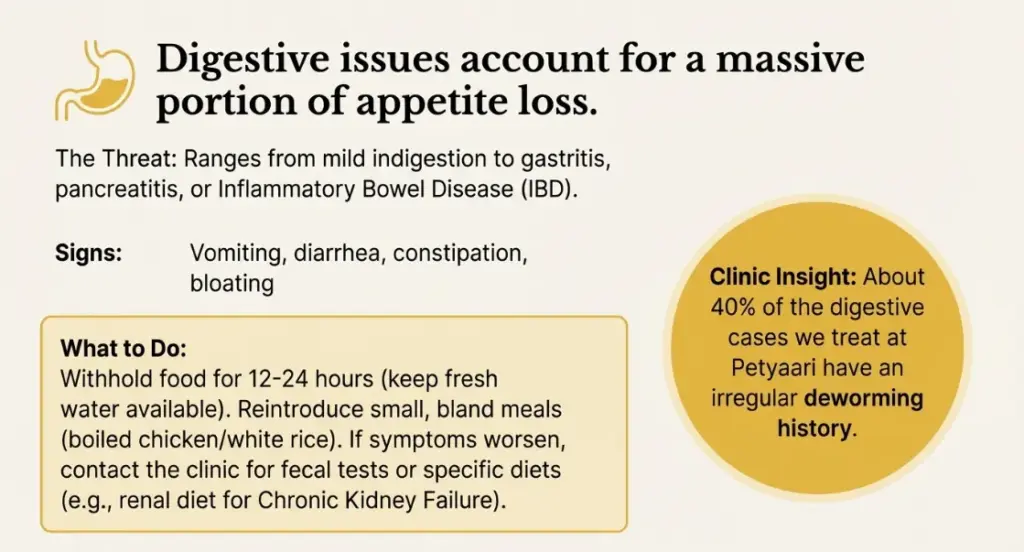
Digestive issues are another major culprit behind a dog’s sudden loss of appetite. This can range from mild indigestion to serious issues like gastritis, pancreatitis, or inflammatory bowel disease (IBD). About 40% of digestive cases we deal with have irregular deworming history. Always deworm your pet according to the recommended schedule.
- Signs to Watch For:
- Vomiting
- Diarrhoea
- Constipation
- Abdominal pain or bloating
- Lethargy
- Decreased appetite
- What to Do: If your dog shows signs of gastrointestinal upset, withhold food for 12-24 hours (but ensure access to fresh water). After the fasting period, offer small, bland meals of boiled chicken or white rice. If symptoms persist or worsen, or if your dog seems in distress, contact us immediately. We recommend tests such as blood work, faecal tests, or X-rays. This helps find the cause. Then, we can suggest the right medicine or a special diet. For example, in the case of Chronic Kidney Failure, we always recommend a renal diet.
3. Illness and Infections: The Body’s Signal
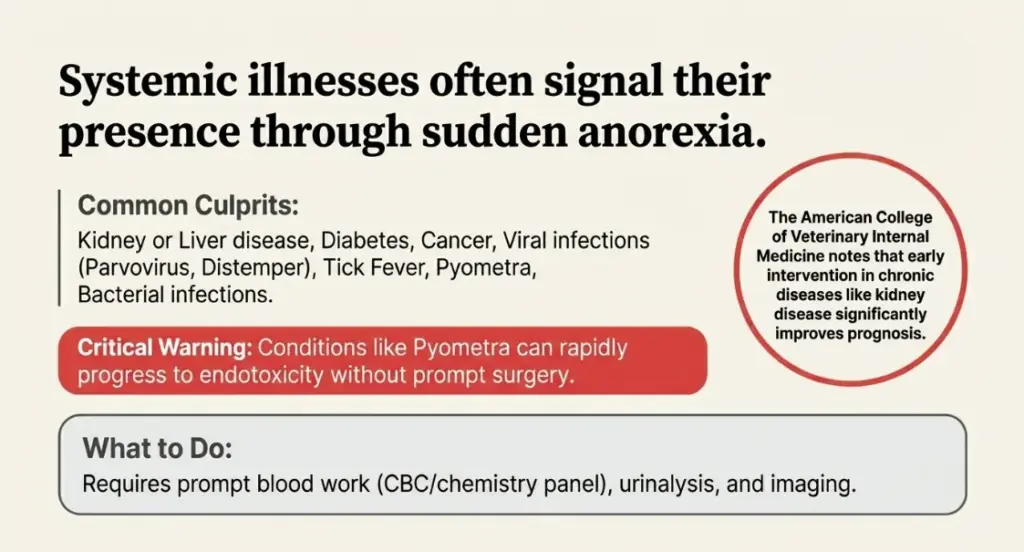
When your dog is feeling unwell, their appetite is often one of the first things to compromise. A wide range of systemic illnesses and infections can cause anorexia.
- Common Culprits:
- Kidney disease in older dogs
- Liver disease
- Diabetes
- Cancer
- Viral infections (like parvovirus or distemper)
- Tick Fever
- Pyometra
- Bacterial infections
- What to Do: This is a critical situation that requires prompt veterinary attention. At Petyaari, we will do a thorough history collection and physical examination. We suggest tests like blood work (complete blood count and chemistry panel), urinalysis, and imaging (X-rays or ultrasound). Early diagnosis and treatment are vital for a successful outcome. For example, pyometra can rapidly progress to endotoxicity, leading to severe complications. Petyaari is equipped to perform proper diagnosis and surgery. Statistics from the American College of Veterinary Internal Medicine indicate that early intervention in chronic diseases such as kidney disease significantly improves prognosis [3].
4. Medication Side Effects: A Known Reaction
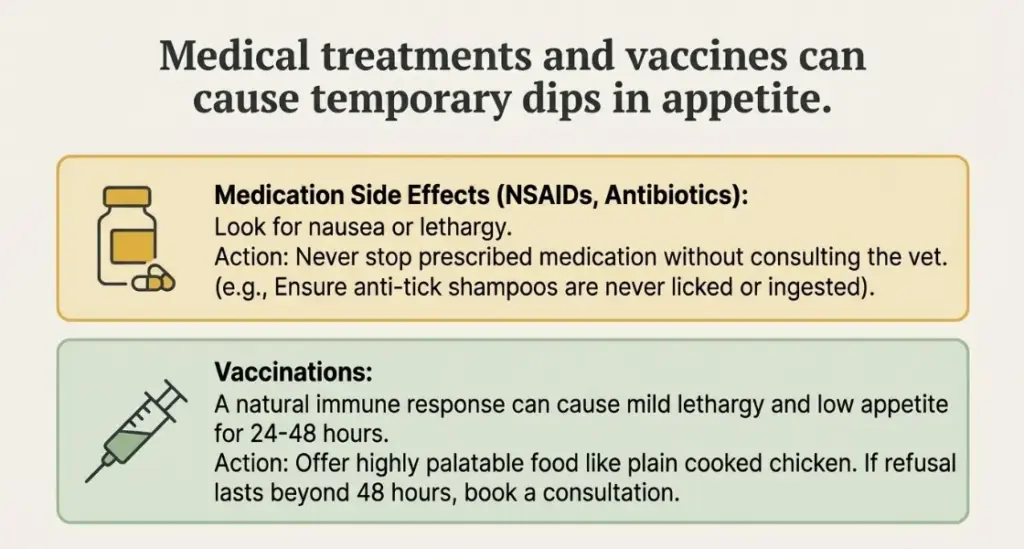
Many medications, both prescription and over-the-counter, can cause nausea and a decreased appetite as side effects. This is particularly common with non-steroidal anti-inflammatory drugs (NSAIDs) and certain antibiotics. During every vet consultation, we inform the owner of the medicine’s side effects after issuing a prescription.
- Signs to Watch For: Besides not eating, look for vomiting, diarrhoea, lethargy, or changes in behaviour shortly after starting a new medication.
- What to Do: Never stop a prescribed medication without consulting a veterinarian or book a consultation with us. If you suspect a medication is causing a loss of appetite, consult a vet immediately. They might adjust the dosage, switch medications, or suggest ways to handle side effects. For example, after prescribing anti-tick shampoo, we always instruct pet parents to avoid allowing their pets to ingest or lick it.
5. Vaccinations: A Temporary Dip
It’s not uncommon for dogs to experience a temporary loss of appetite for a day or two following vaccinations. This is usually a mild, short-lived reaction as their immune system responds to the vaccine.
- Signs to Watch For: Mild lethargy and a slight decrease in appetite for 24-48 hours post-vaccination.
- What to Do: Ensure your dog has access to fresh water. Offer their regular food; if they refuse it, try a small amount of a highly palatable food, such as plain cooked chicken. If appetite loss persists beyond 48 hours, or if your dog shows other symptoms such as vomiting or severe lethargy, book a vet consultation with us.
6. Anxiety and Stress: Emotional Eating (or Not Eating)
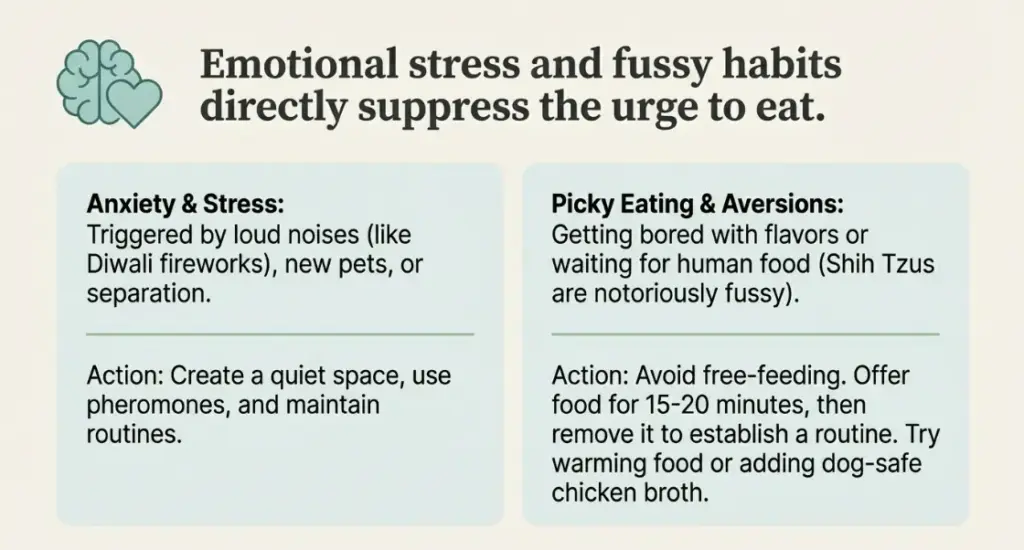
Dogs are sensitive creatures, and significant stress or anxiety can impact their behaviour, including their eating habits.
- Common Triggers:
- Moving to a new home
- Getting a new pet or baby
- Changes in routine
- Separation anxiety
- Post-grooming
- Loud noises (like fireworks during Diwali)
- Traumatic experiences
- What to Do: Identify and minimise the stressor if possible. Provide a safe, quiet space for your dog. Maintain a consistent routine. Consider using calming aids like pheromone diffusers or anxiety wraps. For severe anxiety, consult a vet at our clinic. They can help develop a behaviour modification plan. Positive reinforcement training can also build confidence.
7. Picky Eating and Food Aversion: The Fussy Fido
Sometimes, the issue isn’t medical but rather behavioural or related to the food itself. Dogs can become bored with their food and develop an aversion to a particular brand or flavour. We have noticed that Shih Tzus are very fussy eaters.
- Signs to Watch For: Eating only when hand-fed, only eating specific treats, or waiting for higher-value human food.
- What to Do: Rule out medical issues first. If your dog is healthy, try gradually transitioning to a new, high-quality dog food. You can also make mealtime more appealing by warming the food slightly or adding a small amount of chicken broth (ensure no onion or garlic). We noticed many pet parents leave the offered food until it is eaten in the evenings. Avoid free-feeding; instead, offer food for 15-20 minutes and then remove it. This helps establish a routine and encourages them to eat when food is offered.
8. Age-Related Changes: The Senior Dog’s Needs
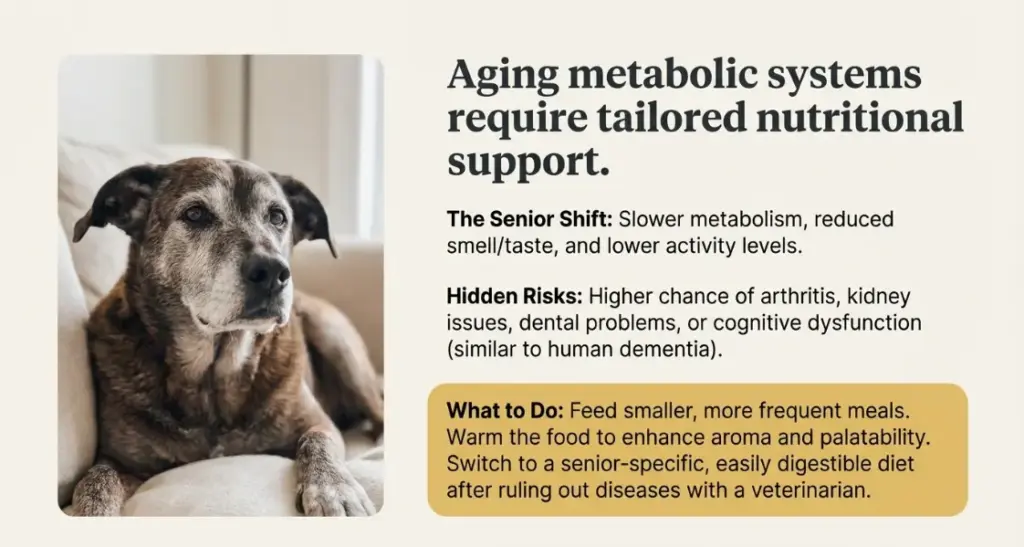
As dogs get older, their metabolism slows. Their sense of smell and taste may decrease, and they might develop health issues that impact their appetite.
- Considerations for Seniors:
- Reduced activity levels
- Risk of cognitive dysfunction, such as dementia, in humans
- Higher chance of chronic diseases like arthritis, kidney issues, or dental problems
- What to Do: Consult our veterinarian to rule out age-related diseases. If your senior dog is otherwise healthy but eating less, try feeding smaller, more frequent meals. Warming their food can enhance its aroma and palatability. Consider switching to a senior-specific diet formulated for their changing nutritional needs. Ensuring their food is easily digestible is also important.
9. Obstruction or Foreign Body Ingestion: A Dangerous Situation
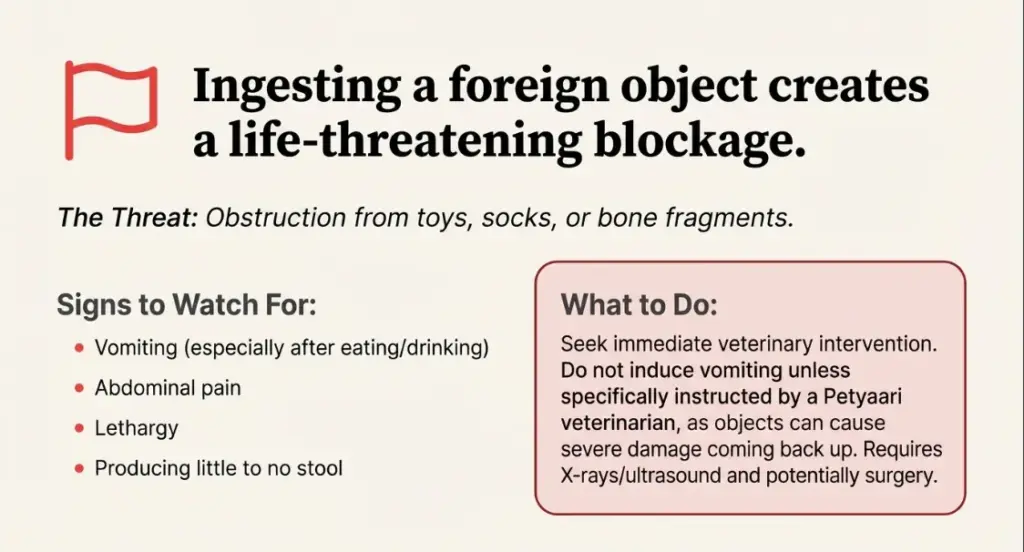
If your dog has ingested a foreign object, such as a toy, sock, or even a bone fragment, it can cause a blockage in the gastrointestinal tract. This is a life-threatening emergency.
- Signs to Watch For:
- Vomiting, especially after eating or drinking
- Lethargy
- Abdominal pain
- Straining to defecate or producing little to no stool
- Refusal to eat
- What to Do: This requires immediate veterinary intervention. Do not try to induce vomiting unless specifically instructed by our veterinarian, as some objects can cause further damage on the way up. X-rays or an ultrasound are recommended to confirm the obstruction. Treatment often involves induction of vomiting or surgery to remove the foreign object. The prognosis depends heavily on how quickly the obstruction is diagnosed and treated.
10. Heatstroke: Responding to the Environment
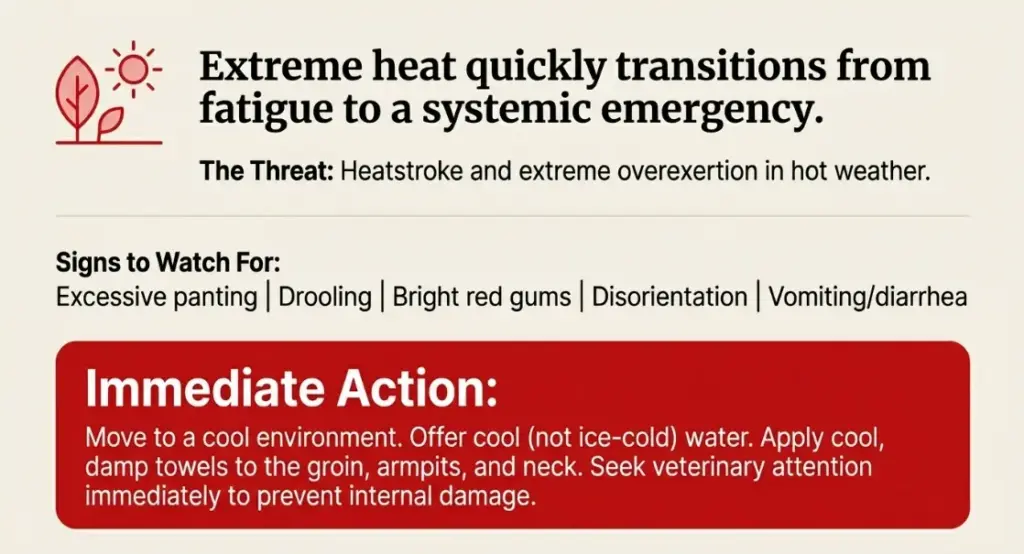
In hot weather, dogs can suffer from heat exhaustion or heatstroke, which can cause nausea and loss of appetite. Extreme overexertion during exercise can cause temporary fatigue and reduced appetite.
- Signs to Watch For:
- Excessive panting
- Drooling
- Lethargy
- Weakness
- Vomiting
- Diarrhoea
- Bright red gums
- Disorientation
- What to Do: If you suspect heatstroke, immediately move your dog to a cool environment. Offer small amounts of cool (not ice-cold) water. Use cool, damp towels to help lower their body temperature, focusing on the groin, armpits, and neck. Seek veterinary attention immediately, as heatstroke can cause serious internal damage. Their appetite should return as they recover.
When to Seek Veterinary Care Immediately
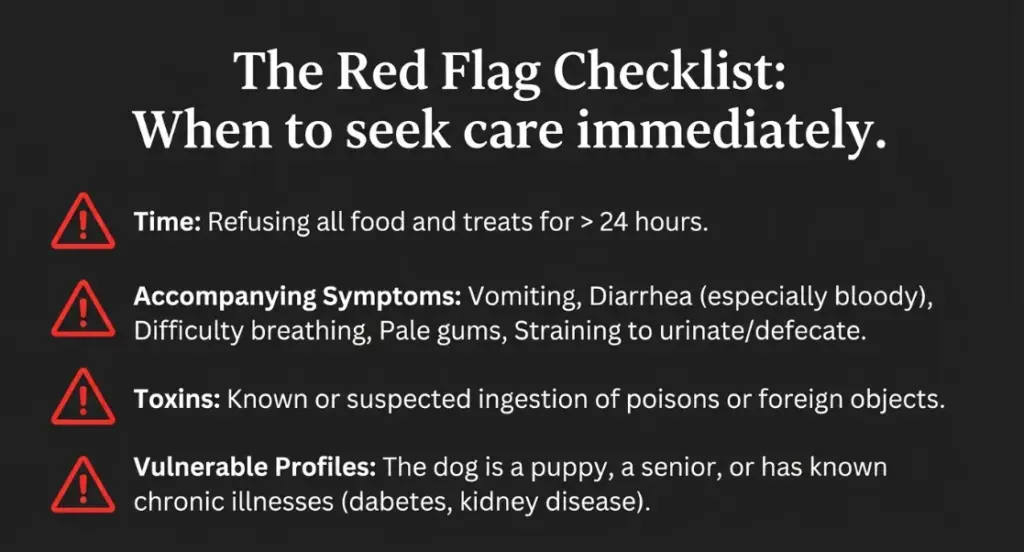
While some reasons for a dog not eating are minor, others are serious emergencies. It’s crucial to know when to contact us without delay.
- Sudden and Complete Loss of Appetite: If your dog refuses all food and treats for more than 24 hours.
- Accompanying Symptoms:
- Vomiting
- Diarrhoea (especially if bloody)
- Lethargy
- Weakness
- Difficulty breathing
- Pale gums
- Abdominal pain
- Straining to urinate or defecate
- Known Ingestion of Toxin or Foreign Object: If you suspect your dog has eaten something poisonous or a non-food item.
- Underlying Health Conditions: If your dog has a known chronic illness (like diabetes or kidney disease) and stops eating.
- Puppies and Senior Dogs: These age groups are more vulnerable and can deteriorate quickly.
Diagnostic Process: What to Expect at Petyaari Pet Clinic
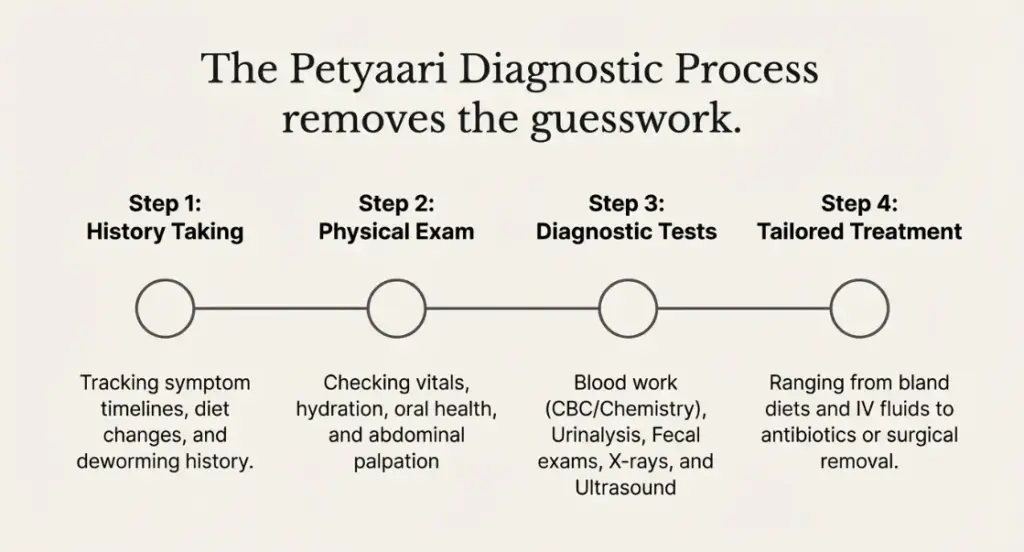
When you bring your dog to the petyaari pet clinic for appetite loss, we will take a systematic approach to history collection and physical examination to diagnose the problem.
History Taking
Our veterinarians will ask detailed questions about your dog’s symptoms, including:
- When did the appetite loss start?
- Is it a complete refusal or just reduced intake?
- Are there any other symptoms (vomiting, diarrhoea, lethargy, etc.)?
- Have there been any recent changes in diet, environment, or routine?
- Is your dog on any medications or supplements?
- What is your dog’s vaccination and deworming history?
- Has your dog had access to anything unusual that they might have ingested?
Physical Examination
A thorough physical exam is performed, checking:
- Vital signs (temperature, heart rate, respiratory rate)
- Hydration status
- Abdominal palpation for pain or masses
- Oral examination for dental issues or foreign objects
- Lymph node assessment
- Cardiovascular and respiratory system evaluation
Diagnostic Tests
Depending on the initial findings, we may recommend further tests:
- Blood Work: A complete blood count (CBC) can reveal infection or anaemia, while a chemistry panel assesses organ function (kidney, liver), electrolytes, and blood sugar.
- Urinalysis: Evaluates kidney function and checks for urinary tract infections or other abnormalities.
- Faecal Examination: Checks for intestinal parasites.
- X-rays (Radiographs): Can identify foreign objects, assess organ size and shape, and detect abnormalities like tumours or obstructions.
- Ultrasound: Provides detailed images of internal organs and can detect subtle abnormalities not visible on X-rays.
- Specific Disease Testing: Tests for diseases such as pancreatitis, heartworm, and tick-borne illnesses may be performed.
Treatment Options: Tailored to the Cause
Treatment will vary significantly depending on the diagnosed cause:
- Medical Conditions: Antibiotics for infections, fluids for dehydration, medications for pain or nausea, specific treatments for organ failure, chemotherapy for cancer, etc.
- Dental Disease: Professional cleaning and extraction.
- Gastrointestinal Upset: Bland diets, probiotics, anti-nausea medication, or specific treatments for conditions like IBD or pancreatitis.
- Foreign Body/Obstruction: Surgical removal.
- Behavioural Issues: Environmental management, training, and potentially anxiety medication.
- Dietary Issues: Transition to a new food, appetite stimulants (used cautiously and under veterinary guidance).
Prevention: Keeping Your Dog Healthy and Hungry
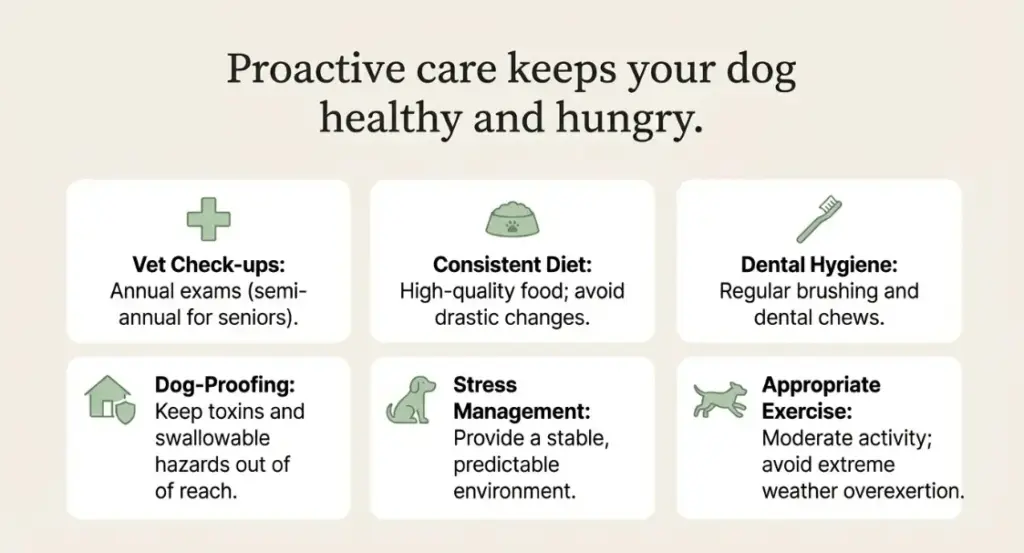
While not all causes of appetite loss can be prevented, several steps can help maintain your dog’s overall health and encourage a good appetite:
- Regular Veterinary Check-ups: Annual (or semi-annual for seniors) exams help catch potential problems early.
- Consistent, High-Quality Diet: Feed a balanced, age-appropriate dog food. Avoid frequent, drastic diet changes.
- Good Dental Hygiene: Brush your dog’s teeth regularly and provide dental chews.
- Prevent Toxin/Foreign Object Ingestion: Dog-proof your home and yard. Supervise your dog, especially during walks and playtime. Keep toxic substances out of reach.
- Manage Stress: Minimise stressors and provide a stable, predictable environment.
- Appropriate Exercise: Regular, moderate exercise helps maintain a healthy weight and metabolism. Avoid overexertion, especially in extreme weather.
- Monitor for Changes: Pay attention to your dog’s behaviour, eating habits, and overall health. Early detection of changes is key.
Conclusion
A dog refusing to eat is one of the most common and worrying concerns we hear at Petyaari. As we’ve explored, the reasons can range from simple pickiness to serious medical emergencies. Whether it’s dental pain, a sensitive stomach, anxiety, or an underlying illness, your dog’s loss of appetite is their way of telling you something is wrong.
The most important takeaway? You don’t have to figure it out alone. Trust your instincts; you know your dog best. If their appetite doesn’t return within 24 hours, or if it’s accompanied by other symptoms like vomiting, lethargy, or discomfort, reach out to us at Petyaari. Our team is here to listen, examine, and create a tailored plan to help your furry family member feel their best again.
Has your dog ever gone through a phase of not eating? What helped them get back to their bowl? Share your experience in the comments below. We’d love to hear your story, and so would other pet parents navigating the same worry.
Frequently Asked Questions (FAQs)
How long can a dog go without eating before it’s dangerous?
A dog can go without food for about 3-5 days, but this is highly variable and depends on their overall health, age, and hydration status. However, significant health issues can arise much sooner, especially if the dog is also refusing water or experiencing other symptoms like vomiting or diarrhoea. Any dog refusing food for more than 24 hours, especially if accompanied by other symptoms, should be seen by a veterinarian.
My dog is picky and only eats certain treats. Should I be worried?
Occasional pickiness or a preference for treats isn’t usually a major concern. However, if this pickiness is a new behaviour, or if it leads to inadequate nutrition, it’s wise to consult a vet to rule out underlying medical issues. You can also try strategies like establishing a strict feeding schedule and making mealtime more appealing.
Can stress cause my dog to stop eating?
Yes, absolutely. Dogs can experience significant stress due to changes in their environment, routine, or household. Events like moving, the introduction of a new pet or person, or even loud noises can trigger anxiety that manifests as a loss of appetite. Addressing the source of stress and providing a secure environment is crucial.
What human foods are safe to tempt a sick dog with?
If the veterinarian approves, small amounts of plain, boiled, unseasoned chicken (no skin or bones) or white rice can be a bland, easily digestible option for a dog with a mild upset stomach. However, never give human food without veterinary consultation, as many common human foods are toxic to dogs (e.g., onions, garlic, grapes, chocolate). Always prioritise veterinary guidance over home remedies.
My dog ate something they shouldn’t have, and now won’t eat. What should I do?
If you suspect your dog has ingested a foreign object or toxin and is now refusing food, this is a medical emergency. Contact our veterinarians or an emergency animal hospital immediately. Provide the vet with as much information as possible about what your dog might have ingested.
Is a loss of appetite always a sign of a serious illness?
No, not always. While a loss of appetite can indicate a serious illness, it can also be due to less serious reasons such as temporary medication side effects, post-vaccination discomfort, mild gastrointestinal upset, stress, or even boredom with their food. However, because it can signal serious issues, it’s always best to consult our veterinarian if the appetite loss is sudden, complete, or accompanied by other symptoms.
Why is my dog not eating but acting normal
It is very common for dogs to stop eating due to normal behaviour. But it is highly recommended to consult a veterinarian if the dog has not regained its appetite or has not eaten for more than 1 or 2 days. And mainly with accomplished symptoms like vomiting and diarrhoea
Why is my dog not eating but drinking water?
Even if dogs do not eat, they must drink enough water because dehydration harms dogs more quickly than hunger. Dogs can survive 3 to 4 days without food, but cannot survive 3 to 4 days without water.
Why is my dog not eating and vomiting
If a dog is not eating and also has vomiting symptoms or diarrhoea, it is highly recommended to visit a veterinarian. There might be probable causes of fever, tick fever, gastritis, and pancreatitis. It needs to be properly diagnosed by a veterinarian and treated immediately.
Have you ever experienced a sudden loss of appetite with your dog? What signs did you notice? Share your questions in the comments below. We’d love to hear from you.
