

At Petyaari Pet Clinic, many dogs come in with itchy skin. This symptom can be very distressing for both pets and their owners. Finding the root cause is the first and most important step for effective relief. This guide will explore seven common causes of constant itching in dogs. It will also share effective relief strategies we use at Petyaari. We’ll cover topics like environmental allergies and internal health issues. This will give you the knowledge to help your beloved companion.
Understanding the Itch: Why Dogs Scratch
Before we dive into the specific causes, it’s important to understand why dogs scratch. Itching, medically known as pruritus, is a sensation that triggers a desire to scratch. For dogs, scratching is a natural way to ease discomfort from skin irritation. If scratching happens often or becomes excessive, it indicates a problem that needs attention. Persistent scratching can lead to skin infections, hair loss, and behavioural changes. This happens because of discomfort and lack of sleep.

The skin is the largest organ in a dog’s body, and it serves as a vital barrier against the outside world. When this barrier is broken, or the immune system reacts strongly to some triggers, it can cause itching. Dogs often scratch their ears, paws, belly, and hindquarters. But the itch can appear anywhere on their body. Noticing the pattern and strength of the scratching can provide hints about the cause.
7 Common Causes of Constant Dog Itching
Let’s explore the most frequent culprits behind your dog’s incessant scratching.
1. Flea Allergy Dermatitis (FAD): The Tiny Terror
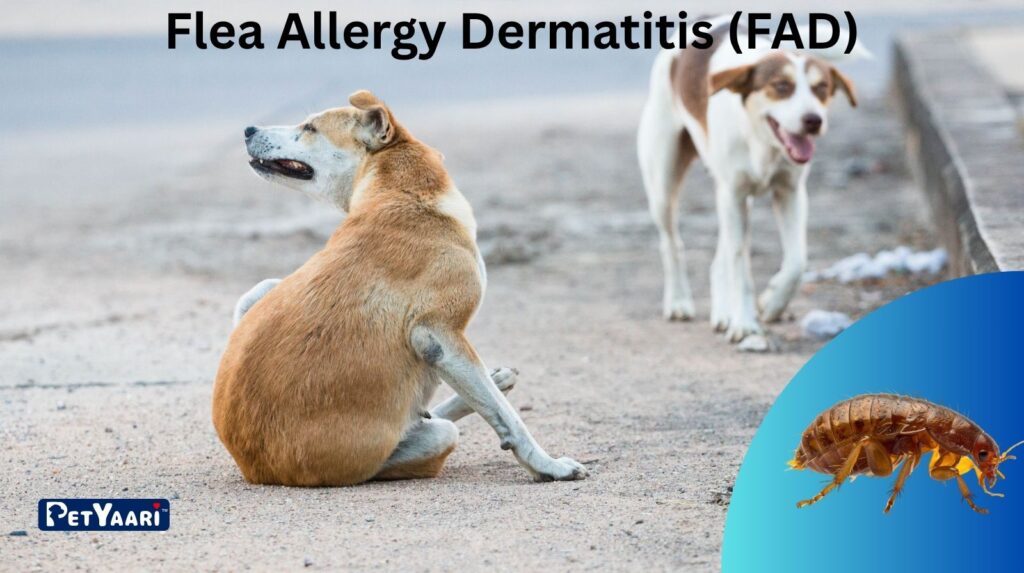
Flea allergy dermatitis is, by far, the most common cause of itching in dogs. It is not the fleas themselves that cause the intense itch, but rather an allergic reaction to the flea’s saliva. A single flea bite can cause a strong allergic reaction in a sensitive dog. This may lead to severe itching, redness, and swelling, especially near the base of the tail, hind legs, and abdomen.
Signs of FAD:
- Intense itching, often starting suddenly.
- Red, inflamed skin.
- Hair loss, especially in the affected areas.
- Crusting or scabs, often due to self-trauma from scratching.
- Small, red bumps (papules).
- Secondary bacterial or yeast infections can develop due to the damaged skin.
Relief Strategies at Petyaari:
The cornerstone of managing FAD is rigorous flea control. This involves:
- Veterinary-prescribed flea preventives: We recommend monthly topical or oral medications. They are safe and very effective. These products kill fleas before they can bite or lay eggs, breaking the life cycle. Examples include products containing fipronil, imidacloprid, or selamectin.
- Environmental treatment: Treating your home and yard is crucial. This means vacuuming often and throwing away the vacuum bag right away. Also, wash pet bedding in hot water and use vet-approved flea sprays or foggers.
- Treating all pets: If you have many pets, they must all be on a consistent flea prevention programme.
For dogs with severe FAD, we may give meds to ease inflammation and itching. This could include corticosteroids or antihistamines for short-term relief. Antibiotics might be necessary if a secondary bacterial infection has occurred.
2. Environmental Allergies (Atopy): The Invisible Culprit
Environmental allergies, also known as atopy, are a big reason why dogs itch. Like humans with hay fever, dogs can be allergic to many things in their environment. These include tree, grass, weed pollens, moulds, dust mites, and dander from animals. Allergens can be inhaled or absorbed through the skin. This triggers an immune response, which causes itching.
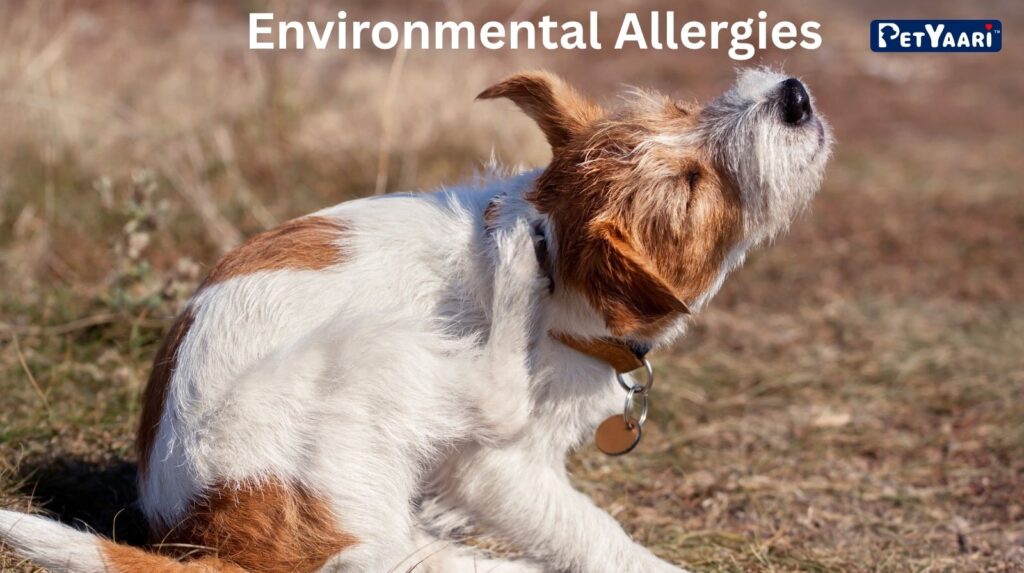
Atopy often flares up in certain seasons when specific pollens are common. Some dogs suffer all year, especially if they are allergic to dust mites or mould. Itching in atopic dogs usually spreads across the body. However, it often targets the paws, face, ears, armpits, and groin.
Signs of Atopy:
- Persistent itching, often worse in certain seasons.
- Red, inflamed skin, particularly on the paws, face, and belly.
- Recurrent ear infections (otitis externa).
- Paw licking and chewing.
- Rubbing the face on furniture or carpets.
- Hair loss and skin thickening over time.
- Secondary infections are common.
Relief Strategies at Petyaari:
Managing atopy is a multifaceted approach:
- Allergen Avoidance: Avoiding airborne allergens can be tough. Still, we can often find ways to cut down exposure. For example, wiping your dog down with a damp cloth after walks can remove pollen. Keep windows shut when pollen levels are high. Using air purifiers can help too. For dust mites, frequent vacuuming and using allergen-proof bedding are recommended.
- Medications:
- Antihistamines: Some dogs can respond well to certain antihistamines. They are not as effective as they are in humans.
- Corticosteroids are great for cutting down inflammation and itching. But they can have side effects. So, we use them carefully, mainly for short-term relief or in severe cases.
- Immunosuppressants: Drugs such as cyclosporine (Atopica) and oclacitinib (Apoquel) help control the immune system. This reduces allergic reactions. These are often excellent long-term solutions with fewer side effects than steroids.
- Biologics: New treatments like lokivetmab (Cytopoint) are monoclonal antibodies. They target a key protein linked to itching, offering focused relief.
- Allergen-Specific Immunotherapy (ASIT): This treatment, also called allergy shots or sublingual drops, slowly exposes your dog to tiny amounts of allergens. The goal is to help desensitise its immune system over time. This is a long-term commitment but can be highly effective.
- Skin Barrier Support: Special shampoos, conditioners, and fatty acid supplements help make the skin barrier stronger. This makes it less permeable to allergens and improves skin health.
- Managing Secondary Infections: Treating bacterial or yeast infections quickly is very important. Do it as soon as they appear.
3. Food Allergies: The Dietary Dilemma
Food allergies or sensitivities can make a dog’s skin itchy. The symptoms often look like those of environmental allergies. The immune system overreacts to specific proteins or other ingredients in the dog’s food. Food sensitivities are different from true allergies. They might not cause an immune response. Instead, they often connect to digestive intolerance. Common allergens include proteins like beef, chicken, dairy, soy, and wheat.
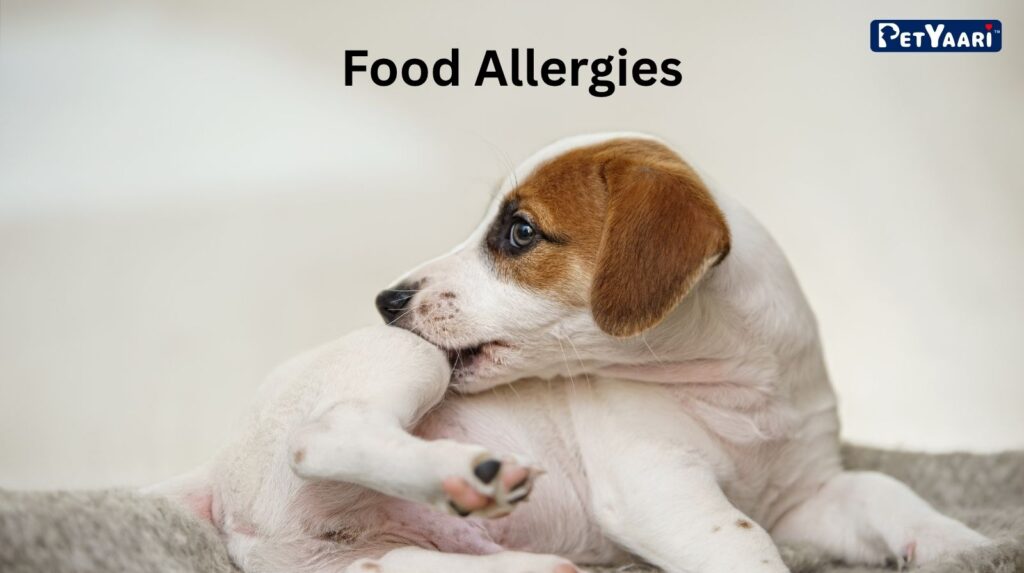
Food allergies often cause itching year-round. This itching can affect the same areas as atopy. Sometimes, it may also lead to gastrointestinal issues like vomiting or diarrhoea.
Signs of Food Allergies:
- Persistent itching, often around the face, ears, paws, and rear end.
- Recurrent skin or ear infections.
- Gastrointestinal upset (vomiting, diarrhoea, gas).
- Skin changes such as redness, hair loss, and thickened skin.
Relief Strategies at Petyaari:
The best way to diagnose and manage food allergies is through an elimination diet trial.
- Novel Protein Diet: Try giving your dog a new protein source. Options include duck, venison, or kangaroo. Pair this with one carbohydrate source, such as sweet potato or peas. You can also use a hydrolysed protein diet. In this diet, proteins are broken down into smaller pieces. This makes it less likely for the immune system to recognise them.
- Strict Adherence: This diet must be fed only for 8-12 weeks. No other treats, table scraps, flavoured medicines, or supplements should be given now.
- Reintroduction: If the itching goes away, we add ingredients back. We do this one by one to find the allergen(s). Once identified, a balanced diet excluding these ingredients is formulated.
- Hydrolysed diets: These diets are often used for diagnosis. They can also help manage long-term health.
Work closely with your veterinarian. This ensures the elimination diet has all the nutrients you need. It also helps you understand the results better.
4. Parasitic Infestations (Beyond Fleas): Mites and More
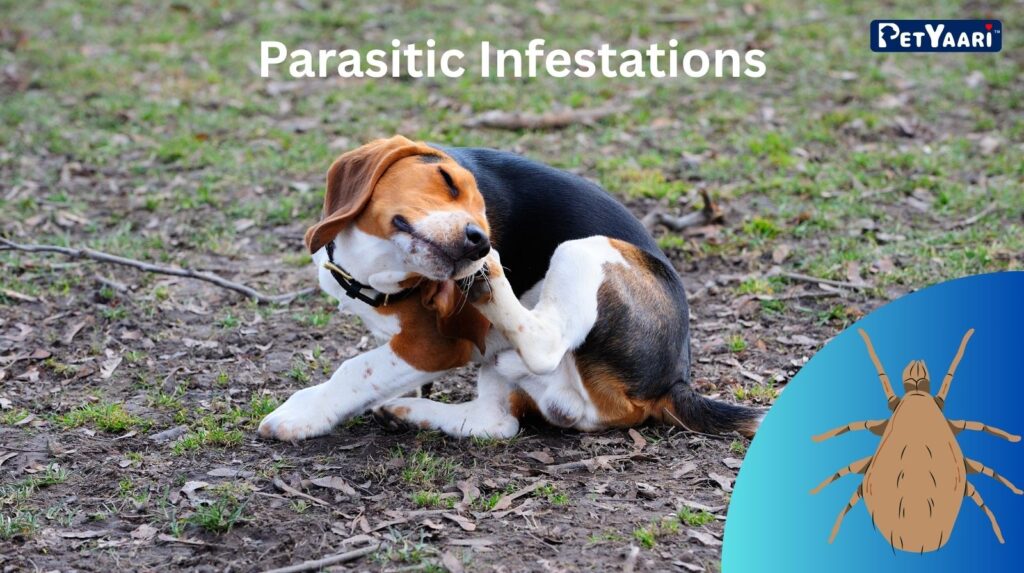
Fleas are the most common cause of itching, but other parasites can also cause discomfort. These include:
- Mange: This is caused by microscopic mites that burrow into the skin or live in hair follicles.
- Sarcoptic Mange (Scabies): This condition comes from Sarcoptes scabiei mites. It spreads easily and leads to severe itching, hair loss, redness, and crusting. You will often see these symptoms on the ear margins, elbows, and belly.
- Demodectic mange (Demodex): This condition is caused by Demodex canis mites. These mites usually live in small numbers on healthy dogs. Overgrowth can happen, especially in puppies or dogs with weak immune systems. This can cause patchy hair loss, redness, and sometimes itching. Generalised demodicosis can be severe.
- Lice: While not as common as fleas or mites, lice can still infest dogs. They cause itching and may be seen as nits (eggs) or adult lice in the fur.
- Ticks: Tick bites usually don’t cause widespread itching. But they can lead to local irritation and allergic reactions in some dogs.
Signs of Parasitic Infestations:
- Intense itching.
- Hair loss often occurs in specific patterns depending on the parasites.
- Redness, inflammation, and crusting of the skin.
- Visible parasites (fleas, lice) or their debris (flea dirt).
- For mange, characteristic lesions may appear.
Relief Strategies at Petyaari:
- Diagnosis: We perform skin scrapings to identify the specific mite or parasite. A thorough physical examination is key.
- Treatment:
- Mites: We use specific acaricides, which are miticidal medications. These can be injections, topical treatments, or oral medications. The duration of treatment depends on the type of mite and the severity of the infestation.
- Lice: Treatments for lice are like those for fleas. They often use medicated shampoos and topical insecticides.
- Environmental Control: It’s important to treat the environment for scabies. The mites can live off the host for a short time, so clean bedding and other areas too.
- Supportive Care: Medicated shampoos and creams can calm the skin and control infections.
5. Bacterial and Yeast Infections: The Secondary Invaders
Bacterial (pyoderma) and yeast (Malassezia dermatitis) infections aren’t the main causes of itching. But they often occur as secondary issues due to skin problems like allergies or parasites. A damaged skin barrier allows these microorganisms, which usually live on the skin, to grow excessively. This can lead to more inflammation and itching.
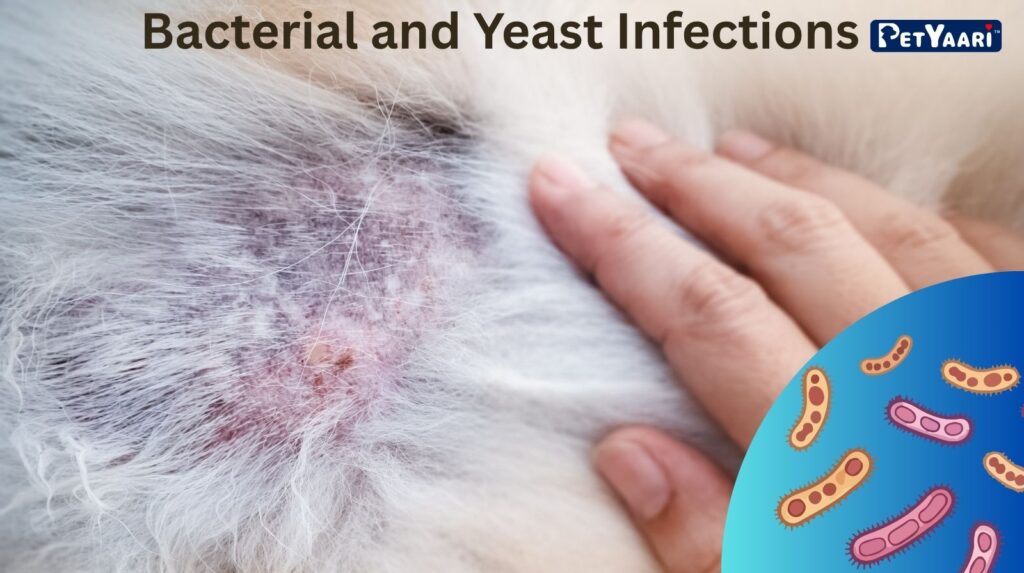
Signs of Bacterial/Yeast Infections:
- Greasy coat.
- Distinctive odour (often described as musty or cheesy).
- Redness, papules, pustules (pimples).
- Thickened, leathery skin (lichenification).
- Hair loss.
- Intensified itching.
- Often found in skin folds, ears, paws, and the belly.
Relief Strategies at Petyaari:
Treatment focuses on eliminating the infection and addressing the underlying cause.
- Antimicrobials:
- Antibiotics: Oral or topical antibiotics are prescribed to combat bacterial infections. The choice depends on the type and severity of the infection.
- Antifungals: You can take antifungal medications by mouth or apply them to the skin. Examples include ketoconazole and miconazole. They help treat yeast infections.
- **Medicated Shampoos:** Antiseptic and antifungal shampoos are key for treating skin issues. They help cleanse the skin and lower microbial levels. We often recommend specific bathing protocols.
- Identify and manage the main cause, like allergies or parasites. This step is crucial to prevent the infection from happening again. Without this, infections will likely recur.
6. Dry Skin (Xerosis): Environmental or Health-Related
Like humans, dogs can suffer from dry, itchy skin. This may happen due to environmental factors, frequent washing with harsh shampoos, or health issues. Low humidity, especially during the winter months, can strip moisture from the skin. Some medical conditions, like hypothyroidism or Cushing’s disease, can cause dry skin.
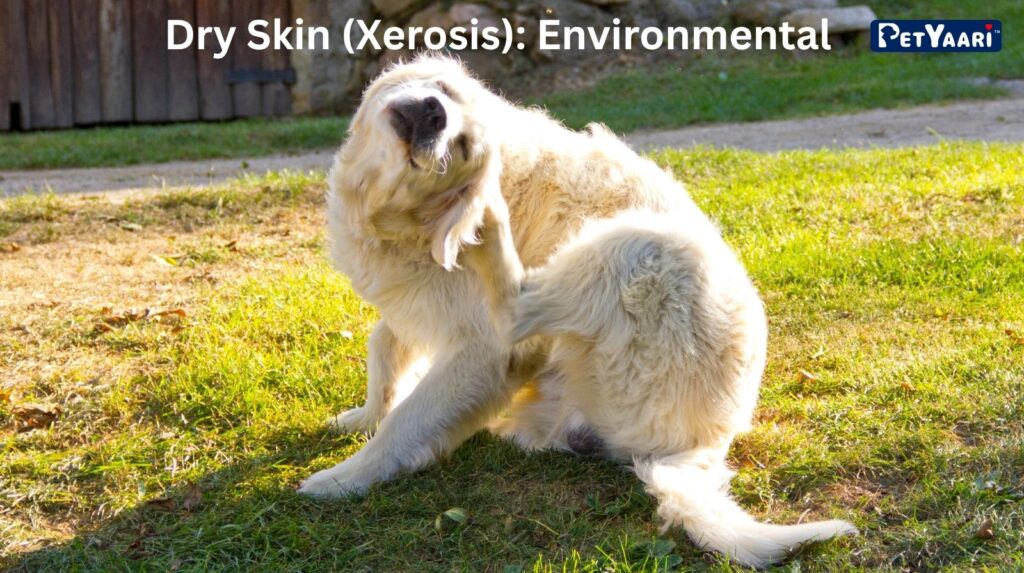
Signs of Dry Skin:
- Dull, flaky coats.
- Visible flakes (dandruff).
- General itchiness.
- Skin may appear red or irritated in patches.
Relief Strategies at Petyaari:
- Dietary supplementation: Omega-3 and Omega-6 fatty acid supplements are highly effective in improving skin hydration and reducing inflammation. We often recommend specific, high-quality supplements.
- Humectant Shampoos/Conditioners: Using moisturising shampoos and conditioners designed for dry skin can help restore moisture. Avoid harsh, degreasing shampoos.
- **Environmental Adjustments:** A humidifier at home can help a lot, especially in dry seasons.
- Bathing Frequency: Adjusting bathing frequency and using lukewarm water can prevent further drying.
- **Underlying Conditions:** If dry skin is caused by a systemic illness, blood tests will be done. These tests help find and treat the cause.
7. Behavioural Issues (Psychogenic Pruritus): The Itch You Can’t See
In some cases, constant itching can show behavioural issues. This is often called psychogenic pruritus. This is an obsessive-compulsive behaviour in dogs. They may lick, chew, or scratch themselves too much. This often happens because of anxiety, stress, boredom, or frustration. It’s a diagnosis of exclusion, meaning all other medical causes must be ruled out first.

Signs of Psychogenic Pruritus:
- Excessive licking or chewing, often focused on a specific area (e.g., paws, tail base).
- Scratching that doesn’t correspond to skin lesions.
- The behaviour often intensifies during periods of stress or boredom.
- No evidence of parasites, infections, or allergies.
Relief Strategies at Petyaari:
- Thorough Medical Workup: First, we complete tests to rule out any medical issues.
- **Behavioural Modification:** If we suspect a behavioural cause, we will help you. We’ll suggest ways to enrich your dog’s environment. You can increase exercise and provide mental stimulation through puzzle toys and training. Also, we’ll work on reducing stressors.
- **Environmental Enrichment:** More playtime and longer walks help. Fun toys also shift your dog’s attention.
- Medications: Vets may give anti-anxiety or anti-depressant medications. This can help manage compulsive behaviour.
- Consultations: Referral to a veterinary behaviourist may be recommended for severe cases.
The Petyaari Approach: Diagnosis and Treatment
At Petyaari Pet Clinic, we understand that a constantly itching dog is a miserable dog. Our approach to diagnosing and treating pruritus is systematic and thorough.
Diagnostic Process:
- Detailed History: We’ll ask you questions about your dog’s itching. This includes when it started, where it happens, any seasonal patterns, diet, flea control history, and other symptoms.
- Physical Examination: A comprehensive physical exam focuses on the skin, coat, ears, and overall health. We look for parasites, signs of infection, inflammation, and characteristic lesion patterns.
- Diagnostic Tests: Depending on the initial findings, we may recommend:
- Skin scrapings: to check for mites (Sarcoptes, Demodex).
- Flea Combing: To detect fleas or flea dirt.
- Cytology: Impression smears or tape preps to identify bacteria and yeast on the skin surface.
- Fungal Culture: To rule out ringworm.
- **Blood Tests:** These tests check for underlying systemic diseases. They can identify allergies, but intradermal testing or serum IgE testing are better for atopy. They also help find hormonal imbalances like hypothyroidism or Cushing’s disease.
- Allergy testing: Intradermal and serum tests help find specific allergens. These allergens are important for immunotherapy.
- Diet Trial: As discussed, it is essential for diagnosing food allergies.
Treatment Philosophy:
Our goal is not to stop the itching but to address the root cause for long-term relief. Treatment plans are always tailored to the individual dog and the specific diagnosis. This might involve a combination of:
- Parasite Control: Effective and consistent prevention is the key.
- Medications: anti-inflammatories, antibiotics, antifungals, antiparasitics, and immune modulators.
- Topical Therapy: Medicated shampoos, conditioners, and sprays.
- Dietary Management: Special diets and supplements.
- Environmental Management: Reducing exposure to allergens.
- Behavioural Modification: For psychogenic causes.
When to Seek Veterinary Help
It’s crucial to consult your veterinarian at Petyaari Pet Clinic if you notice:
- Your dog is scratching excessively, to the point of causing self-trauma (skin damage, bleeding, hair loss).
- The itching is persistent and doesn’t resolve on its own.
- You see redness, swelling, scabs, or pustules on your dog’s skin.
- Your dog develops a skin odour or a greasy coat.
- Your dog is experiencing recurrent ear infections.
- You suspect fleas or other parasites.
Early diagnosis and treatment lead to the best outcomes and prevent the development of chronic skin conditions.
Conclusion: Restoring Comfort to Your Canine Companion
Constant itching is a distressing symptom for any dog owner to witness. Understanding the possible causes is the first step to finding a solution. These can include common flea bite allergies, environmental and food allergies, parasitic infestations, infections, dry skin, and even behavioural issues. At Petyaari Pet Clinic, we are dedicated to helping you navigate this complex landscape. Our skilled veterinarians use thorough checks and custom treatment plans. This helps us find the cause of your dog’s discomfort and offer effective relief. Together, we can bring back your furry friend’s comfort. We’ll improve their quality of life so they can enjoy their days without that relentless itch. Don’t let itching rule your dog’s life; reach out to us at Petyaari for expert care and compassionate support.
Frequently Asked Questions (FAQs)
How quickly can flea treatment stop my dog from itching?
If flea allergy dermatitis (FAD) is the issue, you should notice less itching within 24 to 48 hours after starting good flea control. However, some residual itchiness might persist for a few days as the allergic reaction subsides. It’s vital to treat all pets in the household and the environment to eliminate the source.
My dog scratches his paws constantly. What could be the cause?
Constant paw scratching is very common and can be caused by several factors. Environmental allergies (atopy) to pollens, moulds, or dust mites are frequent culprits, leading to itchy paws. Food allergies can also manifest with paw itching. Parasites, contact irritants like lawn chemicals, or interdigital cysts can cause discomfort. We recommend a veterinary examination to determine the exact cause.
Can I use human anti-itch creams on my dog?
It is generally not recommended to use human anti-itch creams on dogs without veterinary guidance. Many human products have ingredients that can be toxic if ingested. Dogs often lick treated areas, so these products might not be safe for their specific skin conditions. Always consult your veterinarian before applying any medication or cream to your dog’s skin.
How often should I bathe my dog if they are itchy?
The frequency of bathing depends on the cause of the itching. For bacterial or yeast infections, frequent bathing (e.g., 2-3 times per week) with a medicated shampoo might be prescribed. For dry skin or mild allergies, bathing every 1 to 4 weeks with a moisturising, hypoallergenic shampoo should be fine. Over-bathing can strip natural oils and worsen dryness. Your vet will suggest the best bathing schedule and product for your dog.
What are the signs that my dog’s scratching has led to a skin infection?
Signs of a secondary skin infection are increased redness and swelling. You might see pimples (pustules) or crusts. A bad smell may come from the skin, and the fur might feel greasy. If the infection is serious, the pet may also feel lethargic or have a fever. If you see any of these signs, get veterinary help right away at Petyaari Pet Clinic. You may need antibiotics or antifungal treatment.
Is there a cure for environmental allergies in dogs?
A6: There’s no true “cure” for environmental allergies (atopy) that can make them go away. However, they can usually be managed very well.
Management strategies include:
Avoiding allergens when possible.
Using medications like Apoquel, Cytopoint, or steroids should be done carefully.
Considering allergen-specific immunotherapy (allergy shots or drops).
Keeping skin healthy with supplements and proper bathing
At Petyaari, we aim to reduce itching and boost your dog’s quality of life.
