
By Dr. Mohd Sajeed, Veterinary Physician & Surgeon, PetYaari
When your dog vomits, your heart also jumps.
If you are reading this because your dog has just vomited, I know the feeling. Many pet parents come to the clinic with the same worry in their eyes: “Doctor, is this serious?” Sometimes they carry a photo of the vomit on their phone. Sometimes they bring the towel with vomit also. And honestly, that photo helps.
Dog vomiting is common, but it should not be ignored blindly. One vomit after eating something unusual may settle. Repeated vomiting, weakness, abdominal pain, yellow foam, or blood in your dog’s vomit needs quick veterinary attention.
Vomiting in dogs means they are pushing out contents from their stomach or upper intestines. This often happens with nausea, drooling, retching, and abdominal cramping. This is different from regurgitation, where food comes out more passively, often soon after eating. Vomiting can happen due to a mild stomach upset. It can also be linked to infections, pancreatitis, kidney or liver disease, intestinal blockage, toxins, or other serious issues. MSD Veterinary Manual explains vomiting in dogs as a symptom with many possible causes.
At PetYaari, we see vomiting cases almost every week. The aim of this article is simple: help you decide what can be watched at home, what needs a vet call, and what is an emergency.
Need help now?
If your dog is vomiting repeatedly, vomiting yellow foam, or vomiting blood, book a veterinary consultation with PetYaari.
First, Look at the Dog - Not Only the Vomit
Before we talk about yellow foam or blood, look at your dog’s overall condition.
A dog that vomited once but is wagging its tail and drinking water seems fine. This is very different from a dog that is dull, hiding, drooling, refusing food, or crying when its belly is touched.
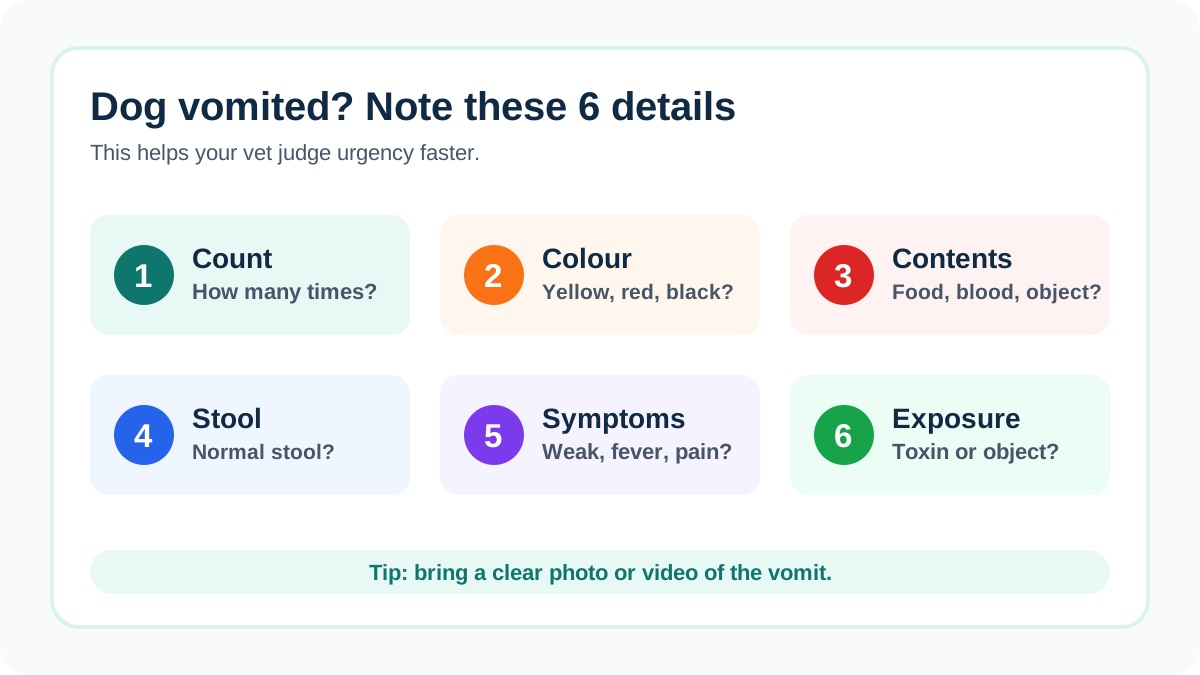
Before calling your vet, try to note these points:
- How many times has your dog vomited?
- What colour was it: yellow, white foam, brown, red, black, or coffee-ground-like?
- Was there food, grass, plastic, bone pieces, or blood?
- Is your dog passing stool normally?
- Is there diarrhoea, fever, weakness, or abdominal pain?
- Could your dog have eaten garbage, medicine, pesticide, chocolate, bones, cloth, toys, or plants?
This history matters because vomiting is not a final diagnosis. It is a sign. A vet usually begins by taking a history and doing a physical exam. Then, they decide if blood tests, urine tests, stool tests, X-rays, ultrasound, or other diagnostics are necessary. VCA Hospitals explains that testing for vomiting may include physical examination, blood work, urine tests, imaging, and other investigations depending on the case.
Common Causes of Dog Vomiting
In my practice, I often see these common issues: sudden food changes, eating out, spoiled food, table scraps, and bones. Overeating, parasites, weakness from tick fever, viral infections, gastritis, and pancreatitis are also frequent. Kidney or liver problems and swallowing foreign bodies can occur too.
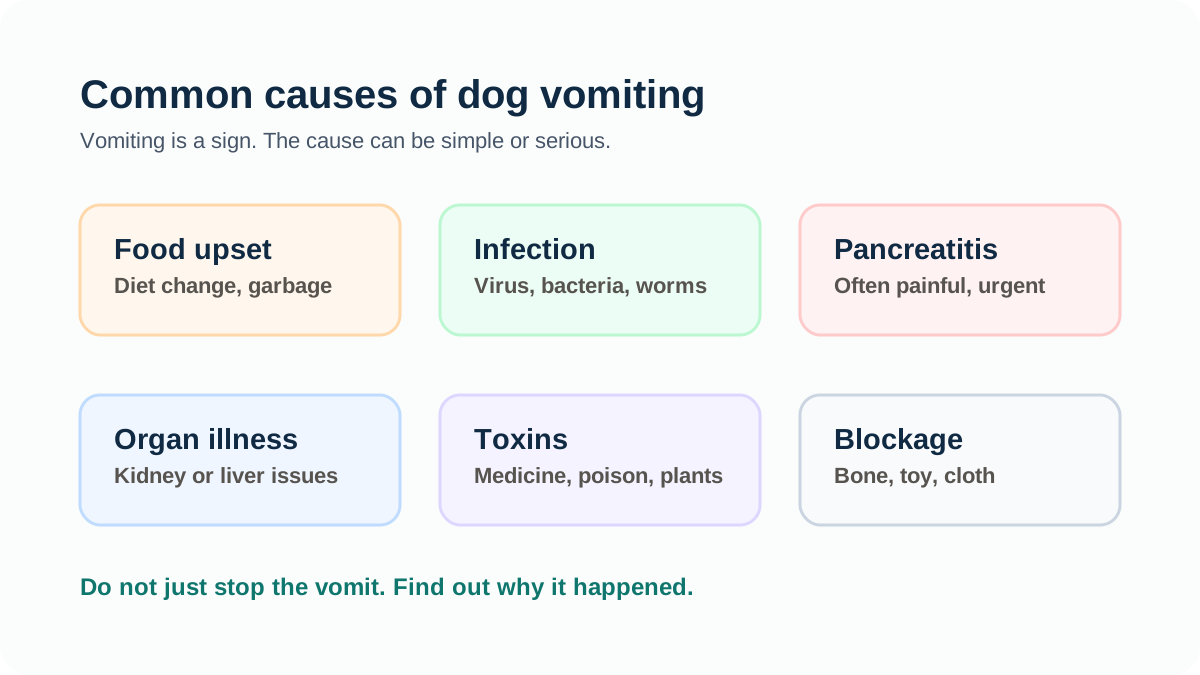
Some dogs vomit after eating something from the dustbin. Some puppies vomit because of worms or viral disease. Some senior dogs vomit because the underlying issue is not the stomach at all, but kidney, liver, hormone, or systemic illness.
Veterinary references also list digestive disease, pancreatitis, kidney or liver failure, toxins, intestinal parasites, infections, obstruction, and cancer among possible causes of vomiting in dogs. MSD Veterinary Manual gives a detailed overview of vomiting causes in dogs.
This is why I always tell pet parents:
Don’t only stop the vomit. Find out why it happened.
Dog Vomiting Yellow Foam: What Does It Mean?
Dog vomiting yellow foam usually means bile is present. Bile is a digestive fluid, and yellow vomit often appears when the stomach is empty or after repeated vomiting.
Many pet parents notice this early morning, before breakfast.
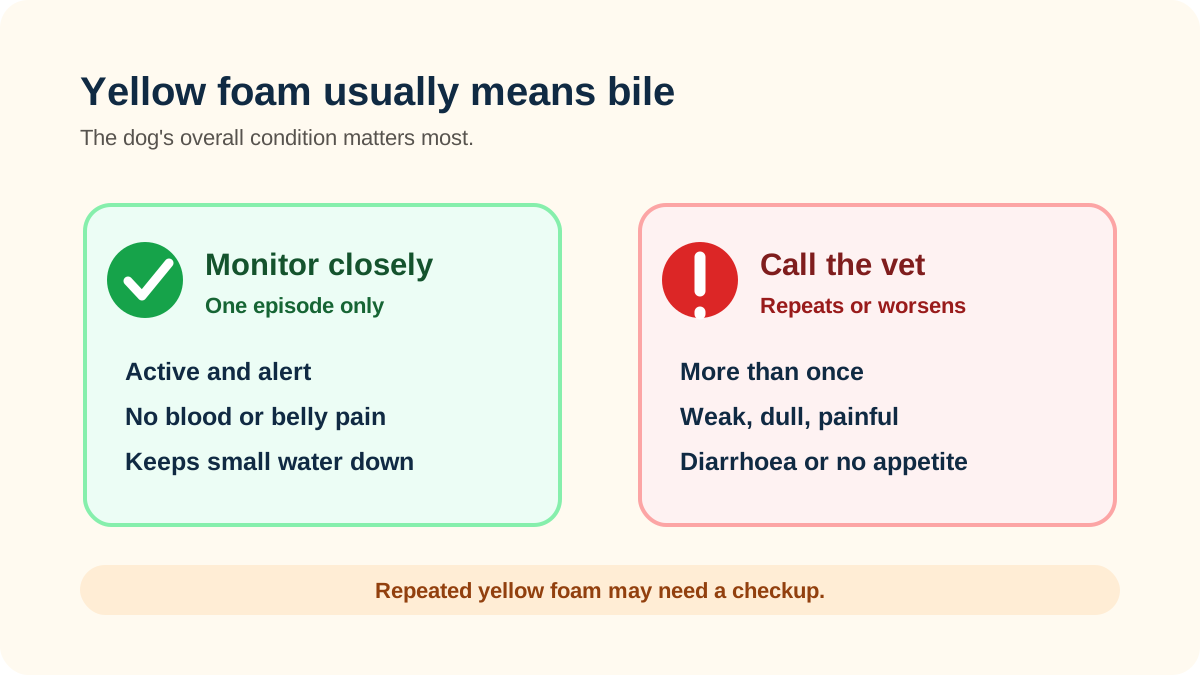
One isolated episode of yellow bile in an otherwise active dog may not be an emergency. You can monitor closely. If your dog vomits yellow foam more than once in 24 hours, take action. If it often vomits yellow bile, seems dull, refuses food, has diarrhoea, has belly pain, or is a puppy, please book a vet visit.
Yellow vomit can also be seen with acid reflux, dietary irritation, pancreatitis, intestinal blockage, parasites, infections, or other digestive disease. PetMD notes that yellow vomit in dogs is commonly linked with bile, but repeated episodes can need veterinary attention.
A small life tip from clinic experience: don’t panic only because the vomit is yellow. Worry more if the dog is getting weaker, vomiting repeatedly, or not keeping water down.
PetYaari advice:
If your dog is vomiting yellow foam repeatedly, do not keep changing foods at home. A vet checkup can help identify whether it is acidity, bile vomiting, infection, pancreatitis, obstruction, or another health issue.
Dog Vomiting Blood: Treat This as Urgent
If your dog is vomiting blood, please do not “wait and watch” at home.
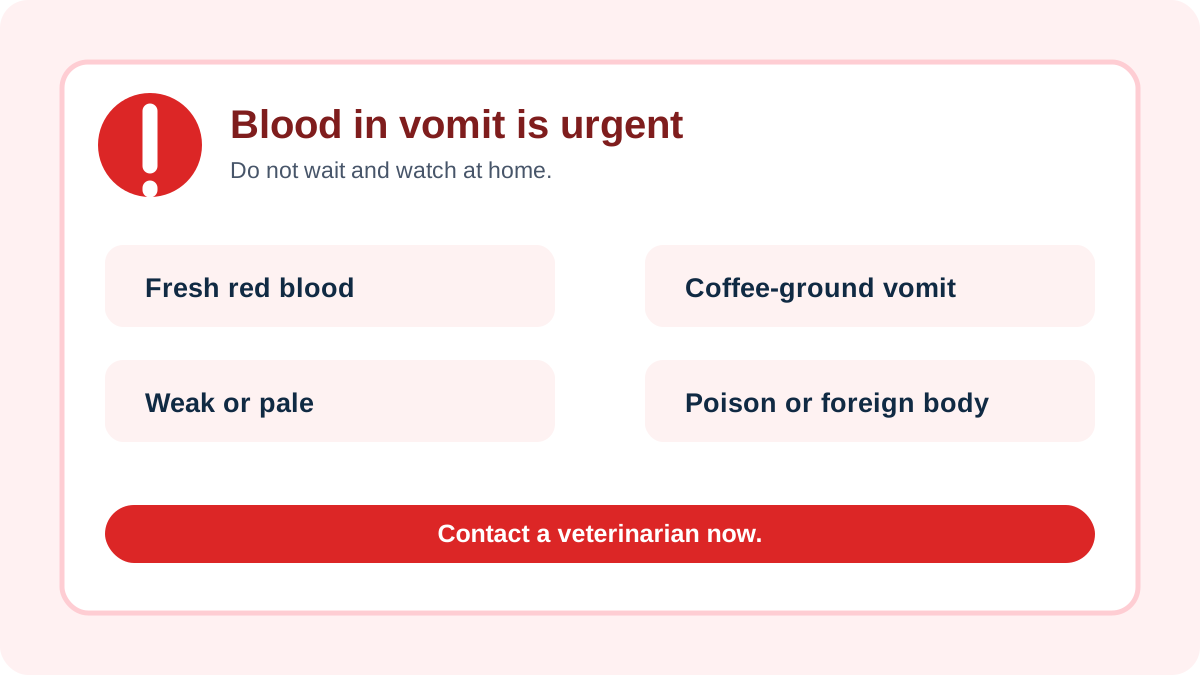
Blood may look fresh red, pinkish, dark brown, black, or like coffee grounds. Fresh red blood may suggest active bleeding. Coffee-ground-like material can be digested blood. Both need veterinary evaluation.
Cornell University College of Veterinary Medicine advises making a veterinary appointment if you see blood in vomit or coffee-ground-like material. They also recommend calling the vet if vomiting continues beyond 24 hours or comes with lethargy, painful belly, or fever. Cornell’s canine health guidance explains when vomiting becomes a veterinary concern.
At the clinic, blood in vomit can be associated with gastritis, ulcers, toxins, infections, severe inflammation, foreign body injury, clotting problems, or serious systemic disease. The exact cause cannot be guessed safely from colour alone.
Visit a vet immediately if:
- Your dog vomits blood even once
- Your dog vomits repeatedly
- The vomit looks like coffee grounds
- Your dog is weak, pale, collapsed, or breathing fast
- Your dog may have eaten poison, medicine, bones, toys, cloth, or sharp material
- Your dog has a swollen or painful abdomen
PetYaari’s urgent care guidance also recommends calling before visiting if a pet has repeated vomiting, bleeding, collapse, suspected poisoning, severe pain, sudden weakness, or other serious symptoms. PetYaari’s clinic guidance lists repeated vomiting and bleeding among symptoms that need urgent attention.
Important:
Dog vomiting blood is not a normal stomach upset. Please contact a veterinarian as soon as possible.
What You Can Do at Home for Mild Dog Vomiting
Home care is only for a mild case.
That means:
- One or two vomits
- Adult dog
- Bright and alert
- No blood
- No severe diarrhoea
- No belly pain
- No toxin exposure
- No repeated vomiting
You can pause food for a bit. Give small amounts of water. Once vomiting stops, start with small bites of bland food like boiled chicken and rice.
Water should not be fully withheld because dehydration is a risk. VCA notes that water should be freely available to help prevent dehydration, while Cornell mentions withholding food but not water for a short period in isolated vomiting cases. VCA Hospitals shares home-care guidance for vomiting in dogs.
Keep portions small. Don’t give a big bowl of food just because the dog looks hungry again. A recovering stomach needs patience.
Please avoid these at home:
- Human anti-vomiting tablets without vet advice
- Human antacids without vet advice
- Antibiotics from old prescriptions
- Painkillers meant for humans
- Forcing food
- Giving milk or oily food
- Trying home remedies when blood is present
Some human medicines are harmful to dogs. Giving them without checking for blockages, toxins, dehydration, or organ issues can slow down proper treatment.
Avoid home care if your dog is a puppy, senior, diabetic, pregnant, a toy breed, on medication, or has kidney, liver, heart, or other health issues. These pets can become dehydrated or unstable faster.
When to Visit a Vet for Dog Vomiting
Book a vet consultation if your dog:
- Vomits more than once
- Vomits for more than 24 hours
- Vomits yellow foam repeatedly
- Refuses food
- Has diarrhoea
- Seems dull or weak
- Has fever
- Shows belly pain
- Cannot keep water down
- Has blood in vomit
- May have eaten poison, bones, toys, medicine, cloth, or plastic
Seek immediate veterinary care if there is blood, suspected poisoning, foreign body ingestion, collapse, severe weakness, repeated retching without vomit, or a swollen abdomen.
VCA advises immediate veterinary care when vomit contains blood or vomiting is accompanied by fever, lethargy, loss of appetite, abdominal pain, diarrhoea, or dehydration. VCA Hospitals gives clear red flags for vomiting in dogs.
For PetYaari pet parents in Hyderabad, you can book a vet appointment. Share your pet’s age, breed, symptoms, a photo of any vomit, previous prescriptions, and your preferred branch.
Why Diagnostics May Be Needed
Many pet parents ask, “Doctor, can we just give an injection?”
Sometimes, yes, supportive treatment is enough. But sometimes vomiting is only the surface symptom.
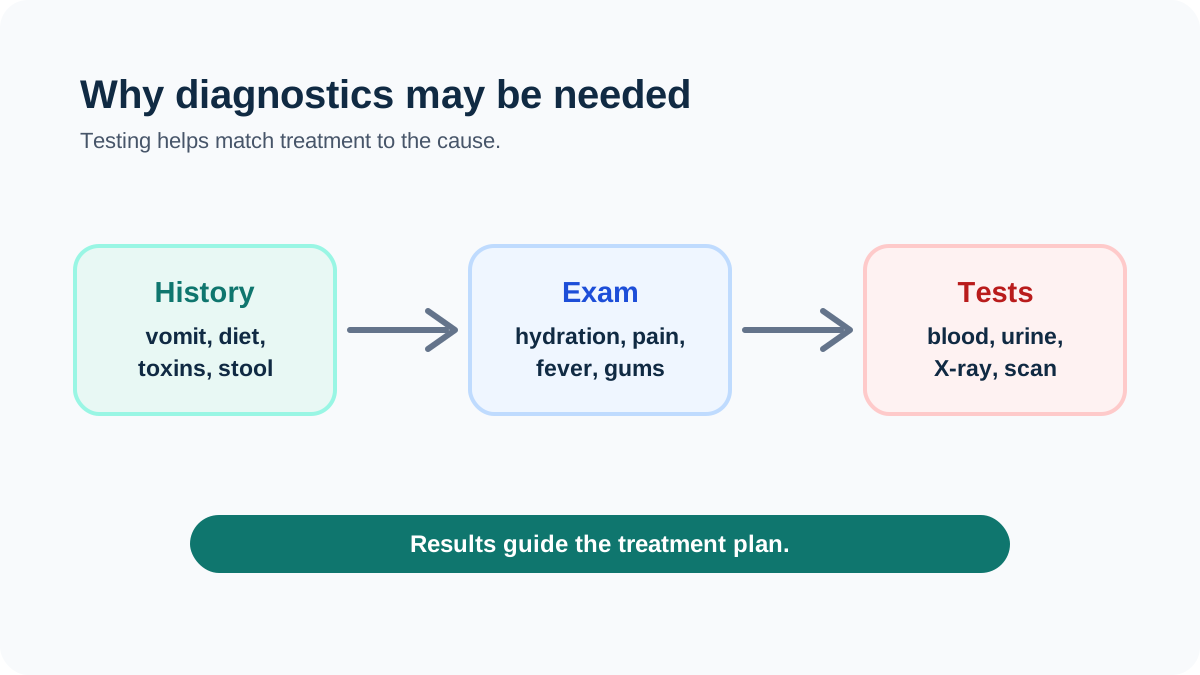
Diagnostics help us check what the eyes cannot see.
Depending on the case, a vet may advise:
- CBC
- Blood biochemistry
- Electrolytes
- Kidney and liver values
- Pancreas-related testing
- Urine test
- Stool test
- Parvo test in puppies
- X-ray
- Ultrasound
- Further evaluation if obstruction or serious disease is suspected
VCA notes that diagnostic tests for vomiting may include blood and urine tests, radiography, ultrasound, endoscopy-guided biopsies, and in complex cases even exploratory surgery. VCA’s testing guide explains how vets investigate vomiting in dogs.
At PetYaari in Hyderabad, we offer pet diagnostics including blood tests, urine tests, skin and ear checks, fever evaluations, tick fever screening, pre-surgery assessments, report reviews, and digestive health checks for vomiting, diarrhoea, appetite loss, stomach infections, and pancreatitis concerns. PetYaari’s diagnostic service page explains available diagnostic support for pets.
That last line is important. Good diagnostics are not about ordering every test. They are about choosing the right test for the right dog.
Need vomiting-related tests for your dog?
PetYaari can help with vet consultation and diagnostics based on your dog’s symptoms, age, history, and physical examination.
What to Bring to the Clinic
Bring a clear photo or video of the vomit if possible. It may feel odd, but it really helps.
Also bring:
- Previous prescriptions
- Vaccination records
- Recent blood reports
- Deworming history
- Tick and flea treatment history
- Details of what your dog ate in the last 24 hours
Tell the vet if your dog had access to:
- Bones
- Garbage
- Chocolate
- Human medicine
- Rat poison or pesticides
- Plants
- Toys, socks, cloth, plastic, or stones
- New food or treats
- Tick exposure
- Pond water or dirty water
If your dog vomited blood or swallowed something harmful, do not feed more food “to push it down.” Call the clinic and follow veterinary advice.
A Simple Guide for Worried Pet Parents
If your dog vomited once and is active, you can monitor closely.
If your dog is vomiting yellow foam once but is otherwise normal, observe carefully and speak to your vet if it repeats.
If your dog is vomiting yellow foam repeatedly, book a consultation.
If your dog is vomiting blood, go to a vet immediately.
If your dog is dull, weak, painful, dehydrated, has diarrhoea, has fever, or may have eaten something toxic, don’t wait.
Vomiting can cause dehydration and electrolyte imbalance when it continues, especially in puppies, small breeds, and senior dogs. Cornell warns that unresolved vomiting can disturb electrolyte balance and lead to life-threatening dehydration. Cornell’s canine vomiting guidance explains these risks.
Final Words from Dr. Sajeed
As pet parents, we all want to avoid unnecessary panic. But we also don’t want to miss the early sign of something serious.
My honest advice is this:
If your dog vomits once and is playful, watch carefully. If your dog vomits repeatedly, vomits yellow foam again and again, refuses food, becomes dull, or vomits blood, please consult a vet.
A timely checkup can save your dog from dehydration, pain, and complications.
Your dog cannot explain the nausea. They only look at you with those eyes. That is why we have to listen to the signs.
For same-day guidance, vet consultation, or vomiting-related diagnostics, book through PetYaari.
FAQs
Why is my dog vomiting yellow foam?
Yellow foam usually means bile is present, often because the stomach is empty or after repeated vomiting. If it happens once and your dog is active, monitor closely. If it repeats, happens regularly, or comes with weakness, diarrhoea, pain, or appetite loss, visit a vet. PetMD explains common reasons for yellow bile vomit in dogs.
Is dog vomiting blood an emergency?
Yes. Blood in dog vomit is not normal. It may look red, pink, brown, black, or like coffee grounds. Veterinary evaluation is needed quickly. Cornell University College of Veterinary Medicine advises contacting a vet when vomit contains blood or coffee-ground-like material.
What can I give my dog for vomiting at home?
For a mild, single episode in a healthy adult dog, pause food for a bit. You can give small amounts of water. Once vomiting stops, start with small, bland meals. Do not give human medicines without veterinary advice. VCA Hospitals gives general home-care guidance for mild vomiting cases.
When should I take my dog to the vet for vomiting?
Visit a vet if your pet vomits more than once, if it lasts over 24 hours, or if there is blood in the vomit. Also, see a vet if your pet seems lethargic, has a fever, loses appetite, has abdominal pain, has diarrhoea, shows signs of dehydration, or if you suspect toxin exposure or foreign body ingestion. VCA lists these as important warning signs for veterinary care.
Does my dog need blood tests or scans for vomiting?
Not always. Many mild cases settle with supportive care. But if vomiting is repeated, severe, bloody, or linked with weakness or pain, your vet may recommend blood work, urine test, stool test, X-ray, ultrasound, or other diagnostics to find the cause. VCA’s guide to testing for vomiting explains when diagnostics may be needed.
References
- MSD Veterinary Manual: Vomiting in Dogs
- VCA Hospitals: Vomiting in Dogs
- VCA Hospitals: Testing for Vomiting
- Cornell University College of Veterinary Medicine: Vomiting
- PetMD: Dog Throwing Up Yellow Bile
- PetYaari: Book Veterinary Appointment
- PetYaari: Pet Diagnostics Hyderabad
- PetYaari: Pet Clinic BN Reddy Nagar Hyderabad